Key Performance Indicators (KPIs) are the backbone of performance measurement in the call center industry. They provide quantifiable metrics that help organizations evaluate efficiency, productivity, and customer satisfaction. In a highly competitive environment where customer experience defines brand reputation, understanding and managing KPIs is essential for operational success. These indicators not only measure performance but also guide strategic decisions, workforce management, and process improvements.
Call center employees working on KPI reports | Image Source: Envato
One of the most fundamental KPIs in call centers is Average Handle Time (AHT). This metric measures the average duration of a customer interaction, including talk time, hold time, and after-call work. A lower AHT often indicates efficiency, but it must be balanced with quality. Reducing handle time at the expense of customer satisfaction can harm the overall service experience. Therefore, successful call centers focus on optimizing AHT through training, technology, and process refinement rather than simply minimizing it.
Another critical KPI is First Call Resolution (FCR), which measures the percentage of customer issues resolved during the first interaction without the need for follow-up. High FCR rates are directly linked to customer satisfaction and loyalty, as they reflect the ability of agents to address concerns effectively and efficiently. Improving FCR often involves empowering agents with better tools, access to information, and decision-making authority, as well as analyzing recurring issues to identify process gaps.
Customer Satisfaction Score (CSAT) is a widely used KPI that captures the customer’s perception of their experience. Typically measured through post-interaction surveys, CSAT provides direct feedback on how well the call center meets customer expectations. While it is a subjective measure, it offers valuable insights into service quality and helps identify areas for improvement. Maintaining a high CSAT requires consistent agent training, empathy-driven communication, and a customer-centric culture.
Call Center service level indicator | Image Source: Envato
Service Level is another cornerstone KPI that measures the percentage of calls answered within a predefined time frame. For example, a common service level target might be answering 80% of calls within 20 seconds. This metric reflects the call center’s ability to manage call volume and staffing effectively. Achieving optimal service levels requires accurate forecasting, efficient scheduling, and real-time monitoring to ensure that customer wait times remain minimal.
Agent Utilization Rate and Occupancy Rate are internal performance KPIs that assess how effectively agents’ time is being used. Utilization measures the proportion of time agents spend handling calls versus being idle, while occupancy reflects the percentage of time agents are actively engaged in call-related activities. Balancing these metrics is crucial—overworking agents can lead to burnout, while underutilization can indicate inefficiencies in workforce management.
Call Abandonment Rate is another important KPI that tracks the percentage of callers who hang up before reaching an agent. High abandonment rates often signal long wait times or inadequate staffing. Monitoring this metric helps call centers identify bottlenecks in call flow and take corrective actions, such as adjusting staffing levels or implementing callback options to improve the customer experience.
Quality Assurance (QA) Scores provide a qualitative measure of agent performance. Through call monitoring and evaluation, QA teams assess how well agents adhere to scripts, demonstrate empathy, and resolve issues. These scores help maintain consistency in service delivery and identify training needs. When combined with quantitative KPIs, QA scores offer a holistic view of both operational efficiency and service quality.
Call center enployees having a huddle about KPI | Image Source: Envato
Ultimately, KPIs in the call center industry serve as a compass for continuous improvement. They enable leaders to make data-driven decisions, enhance customer satisfaction, and optimize resource allocation. However, the true value of KPIs lies not just in measurement but in interpretation and action. By aligning KPIs with organizational goals and customer expectations, call centers can transform performance metrics into meaningful outcomes that drive long-term success.
The call center industry in 2026 is undergoing a remarkable transformation driven by rapid advancements in artificial intelligence, automation, and customer experience technologies. What was once a labor-intensive sector focused on handling high call volumes has evolved into a sophisticated ecosystem that blends human empathy with machine intelligence. Besides, companies are now prioritizing seamless omnichannel communication, ensuring that customers can interact through voice, chat, email, or social media without losing context or continuity.
Busy call center agents working for the day | Image Source: Envato
One of the most significant developments is the widespread adoption of AI-powered virtual agents. These intelligent systems can handle complex queries, learn from interactions, and provide personalized responses in real time. Unlike traditional chatbots, the new generation of AI assistants uses natural language processing and emotional recognition to detect tone, sentiment, and urgency. This allows them to escalate issues to human agents when necessary, ensuring that customers receive the right level of support at the right time.
In addition, remote and hybrid work models have also become the new standard for call centers. Then, cloud-based contact center platforms enable agents to work securely from anywhere, maintaining productivity and data protection. This shift has expanded the global talent pool, allowing companies to hire multilingual agents and provide 24/7 support across different time zones. Additionally, advanced workforce management tools now use predictive analytics to forecast call volumes and optimize staffing levels, reducing wait times and improving service quality.
Workforce management preparing for new team schedules
Another major trend is the integration of analytics and real-time performance monitoring. Supervisors can now track key metrics such as average handling time, customer satisfaction scores, and sentiment analysis through intuitive dashboards. These insights help organizations identify training needs, recognize top performers, and continuously refine their customer service strategies. The use of gamification has also gained traction, motivating agents through rewards and performance-based incentives.
Sustainability and employee well-being have become central themes in 2026’s call center operations. Companies are investing in eco-friendly technologies, reducing energy consumption through virtual infrastructure, and promoting mental health initiatives to combat burnout. AI-driven scheduling tools ensure fair workloads and adequate breaks, contributing to higher job satisfaction and retention rates.
Busy offshore employees
Looking ahead, the call center industry is poised to become even more intelligent, adaptive, and customer-centric. With the convergence of AI, data analytics, and human expertise, businesses are redefining what exceptional customer service means in the digital age. The developments of 2026 mark not just a technological evolution but a cultural shift toward empathy, efficiency, and innovation in every customer interaction.
The Christmas season is one of the busiest and most exciting times of the year for call centers. With increased customer inquiries, festive campaigns, and holiday schedules, call center teams work hard to maintain excellent service while embracing the holiday spirit. Here’s a look at how call centers stay productive and cheerful during this special time.
Managing the Holiday Rush
Customer service demand often spikes during the holidays due to shopping, shipping, and travel. Call centers prepare by adjusting schedules, hiring seasonal staff, and offering flexible shifts. Advanced forecasting tools help predict call volumes, ensuring enough agents are available to handle the surge efficiently.
Call center leaders' excitement during the holidays | Image Source: Envato
Spreading Holiday Cheer
Even with the pressure of high call volumes, many call centers find ways to keep the atmosphere joyful. Workspaces are decorated with Christmas lights, ornaments, and themed displays. Some teams host “Ugly Sweater Days” or “Secret Santa” exchanges to boost morale and strengthen team spirit.
Special Training and Support
To handle the unique challenges of the season, agents often receive refresher training on empathy, patience, and problem-solving. Supervisors also provide extra support to help manage stress and maintain a positive tone during interactions. Encouraging short breaks and wellness activities helps keep energy levels high.
Rewarding Hard Work
Recognizing effort is especially important during the holidays. Many call centers implement reward programs, such as “Agent of the Week” or performance-based bonuses. Small gestures like thank-you notes, gift cards, or team lunches go a long way in showing appreciation for the dedication of customer service teams.
The usual sight at Christmas office hours before parties | Image Source: Envato
Embracing Technology
Automation and AI tools play a big role in managing the holiday workload. Chatbots handle simple inquiries, while call routing systems ensure customers reach the right department quickly. These technologies help reduce wait times and allow agents to focus on more complex issues.
Giving Back to the Community
The Christmas season is also a time for giving. Many call centers organize charity drives, donation campaigns, or volunteer activities. Whether it’s collecting toys for children or supporting local shelters, these initiatives foster a sense of purpose and community among employees.
Call center employees having fun at work | Image Source: Envato
Keeping the Spirit Alive
Balancing efficiency with holiday spirit is key. By combining careful planning, team engagement, and a touch of festive fun, call centers can deliver exceptional service while celebrating the joy of the season. The result is a workplace that’s both productive and full of holiday cheer.
Lastly, keeping the spirit alive and spreading holiday cheer can be done despite hectic work schedule. Usually, holiday parties are scheduled after work hours. In that way, any assigned task for the day is still completed before attending parties later.
In today’s fast-paced digital world, customer expectations are higher than ever. While many businesses focus on automation and self-service tools, call centers remain a cornerstone of exceptional customer experience. Far from being outdated, modern call centers are evolving into dynamic hubs of empathy, efficiency, and innovation. Here are eight surprising ways call centers enhance customer service and strengthen brand loyalty.
1. Turning Frustration into Loyalty
A well-trained call center agent can transform a frustrated customer into a loyal advocate. By listening actively, showing empathy, and resolving issues quickly, agents create emotional connections that digital channels often lack. This human touch not only solves problems but also builds trust, reminding customers that their concerns truly matter.
A customer calling a call center agent for a question | Image Source: Envato
2. Providing 24/7 Human Support
Round-the-clock availability is one of the most powerful advantages of call centers. Customers no longer have to wait for business hours to get help. Whether it’s a late-night technical issue or a billing question, 24/7 support ensures that assistance is always just a call away. This constant accessibility enhances satisfaction and reinforces reliability.
3. Gathering Real-Time Customer Insights
Every call is a goldmine of information. Call centers collect valuable data about customer preferences, pain points, and expectations. By analyzing call logs and feedback, businesses can identify trends, improve products, and refine their services. These insights help companies stay ahead of customer needs and deliver more personalized experiences.
4. Strengthening Brand Reputation
A single positive interaction can shape how customers perceive a brand. Call centers play a crucial role in maintaining a company’s reputation by ensuring consistent, high-quality communication. When agents handle inquiries with professionalism and care, they reinforce the brand’s values and create lasting impressions that drive word-of-mouth referrals.
Enhancing multichannel integration in call centers is also highly recommended | Image Source: Envato
5. Enhancing Multichannel Integration
Modern call centers are no longer limited to phone calls. They integrate seamlessly with email, chat, and social media platforms, creating a unified customer experience. This omnichannel approach allows customers to switch between communication methods without losing context, ensuring smoother interactions and faster resolutions.
6. Empowering Agents with Technology
Artificial intelligence and advanced analytics are transforming call centers into smarter, more efficient operations. Tools like predictive routing, sentiment analysis, and real-time coaching empower agents to deliver faster, more accurate support. By combining human empathy with technological precision, call centers achieve the perfect balance between personalization and performance.
7. Reducing Customer Effort
One of the biggest frustrations for customers is having to repeat information or navigate complex systems. Call centers streamline this process by maintaining detailed customer histories and using intelligent routing to connect callers with the right agents. This reduces effort, shortens resolution times, and makes every interaction smoother and more satisfying.
A call center agent explaining to a customer about a product | Image Source: Envato
8. Driving Continuous Improvement
Call centers are not just reactive—they’re proactive. Through regular performance reviews, feedback loops, and training programs, they continuously refine their processes. This commitment to improvement ensures that customer service evolves alongside changing expectations, keeping businesses competitive and customer-focused.
Lastly, call centers are far more than problem-solving departments—they are the heartbeat of customer experience. By combining empathy, technology, and insight, they turn every interaction into an opportunity to delight and retain customers. In a world where genuine connection is rare, call centers remind businesses that great service still begins with a human voice.
Dealing with irate customers is one of the most challenging aspects of customer service. Emotions can run high, and the way an agent responds can either escalate or defuse the situation. Effective conflict resolution requires a combination of empathy, communication skills, and professionalism. By mastering these techniques, agents can turn difficult interactions into opportunities to strengthen customer relationships and reinforce trust in the brand.
Call center agents meeting for conflict resolution best practices | Image Source: Envato
The first step in handling an irate customer is to remain calm and composed. Emotional control is essential because frustration or defensiveness from the agent can intensify the customer’s anger. Taking a deep breath, maintaining a steady tone, and focusing on the issue rather than the emotion helps create a sense of stability. Customers often mirror the behavior of the person they are speaking with, so a calm demeanor can naturally encourage them to lower their emotional intensity.
Active listening is another critical skill in managing difficult interactions. Customers want to feel heard and understood, especially when they are upset. Agents should allow the customer to express their concerns fully without interruption, using verbal cues such as “I understand” or “I see what you mean” to show attentiveness. Paraphrasing the customer’s issue back to them demonstrates understanding and ensures that the agent accurately grasps the problem before offering a solution.
Empathy plays a central role in conflict resolution. Acknowledging the customer’s frustration and validating their feelings can go a long way toward diffusing anger. Phrases like “I can understand how that would be frustrating” or “I’d feel the same way in your situation” show genuine concern. Empathy does not mean agreeing with the customer’s complaint but rather recognizing their emotional experience and responding with compassion.
Problem-solving at work in a call center office | Image Source: Envato
Once the customer feels heard and understood, the agent can begin to focus on problem-solving. Offering clear, actionable solutions helps shift the conversation from emotion to resolution. Agents should explain what steps will be taken, provide realistic timelines, and ensure the customer knows what to expect next. Transparency builds trust, and even if the issue cannot be resolved immediately, clear communication reassures the customer that progress is being made.
Setting boundaries respectfully is also important when dealing with highly emotional or aggressive customers. While empathy and patience are vital, agents should not tolerate abusive language or behavior. Companies should empower their staff with guidelines on when and how to de-escalate or end a conversation if it becomes hostile. Maintaining professionalism while protecting one’s well-being ensures that both the customer and the agent are treated with respect.
Training and preparation are key to handling irate customers effectively. Regular role-playing exercises, scenario-based training, and coaching sessions help agents build confidence and refine their communication techniques. Understanding common triggers for customer frustration—such as delays, miscommunication, or unmet expectations—allows agents to anticipate and address issues proactively before they escalate.
Learning opportunity during difficult intercaion with clients | Image Source: Envato
Finally, every difficult interaction should be viewed as a learning opportunity. After resolving a conflict, agents and teams can review what went well and what could be improved. Feedback loops, debrief sessions, and performance reflections help organizations continuously enhance their customer service approach. By fostering a culture of empathy, accountability, and continuous improvement, businesses can transform challenging moments into lasting customer loyalty.
Empathy transforms customer service from a simple transaction into a meaningful relationship. When representatives truly understand and share their customers’ emotions in a call center setting, they create authentic connections built on trust. Besides, emotional intelligence plays a vital role in this process, empowering teams to listen actively, respond with compassion, and deliver personalized solutions. As such., this human-centered approach not only resolves issues effectively but also fosters lasting loyalty and satisfaction.
Understanding the Heart of Customer Service
Customer service is more than solving problems—it’s about creating meaningful human connections. In a world where automation and speed dominate, empathy stands out as the most powerful differentiator. When customers feel understood and valued, they’re not just satisfied; they become loyal advocates for the brand.
Depicting a call center leader who is preparing for a huddle regarding empathy in call center | Image Source: Envato
Why Empathy Matters More Than Ever
Empathy allows service professionals to see situations from the customer’s perspective. It transforms a transactional exchange into a personal experience. In moments of frustration or confusion, a simple acknowledgment of a customer’s feelings can diffuse tension and open the door to genuine communication.
Emotional Intelligence as the Foundation
Emotional intelligence (EQ) is the ability to recognize, understand, and manage emotions—both one’s own and others’. In customer service, high EQ enables representatives to stay calm under pressure, read emotional cues, and respond thoughtfully. This skill turns difficult interactions into opportunities for connection and resolution.
Building Trust Through Understanding
Trust is the cornerstone of any lasting customer relationship. When customers sense authentic empathy, they feel safe sharing their concerns. This transparency allows businesses to address issues more effectively and demonstrate reliability. Over time, consistent empathy builds a reputation for care and integrity.
An office meeting regarding call center empathy | Image Source: Envato
The Ripple Effect of Empathetic Communication
Empathy doesn’t just impact individual interactions—it shapes company culture. Teams that prioritize empathy internally are more collaborative, patient, and supportive. This internal culture naturally extends to customers, creating a consistent experience of warmth and understanding across every touchpoint.
Turning Challenges Into Opportunities
Every complaint or negative review is a chance to practice empathy. Instead of viewing these moments as setbacks, empathetic service teams see them as opportunities to listen, learn, and improve. By validating a customer’s feelings and taking responsibility, businesses can often turn dissatisfaction into loyalty.
Training Teams to Lead With Empathy
Empathy can be cultivated through intentional training and practice. Role-playing exercises, active listening workshops, and feedback sessions help employees strengthen their emotional awareness. Encouraging staff to pause before responding and to consider the customer’s emotional state leads to more thoughtful, compassionate communication.
Call center employees utilizing empathy in customer service | Image Source: Envato
The Long-Term Payoff of Empathy
Empathy-driven service doesn’t just improve satisfaction scores—it drives long-term growth. Customers who feel emotionally connected to a brand are more likely to return, recommend, and forgive mistakes. In a competitive marketplace, empathy is not just a soft skill; it’s a strategic advantage that fuels trust, loyalty, and lasting success.
Conclusion: Leading With Humanity
At its core, empathy reminds businesses that behind every inquiry is a person seeking understanding. By cultivating emotional intelligence and leading with compassion, customer service teams can transform routine interactions into moments of genuine connection—building trust that endures far beyond the first conversation.
In today’s fast-paced business environment, time is the most valuable resource. Besides, entrepreneurs, executives, and freelancers often find themselves overwhelmed by repetitive tasks that consume hours each week. Hence, hiring a virtual assistant (VA) can transform productivity by allowing focus on high-value activities. Delegating the right tasks is key to maximizing this partnership. Here are ten essential tasks to delegate to a virtual assistant for optimal efficiency and growth.
1. Email Management and Inbox Organization
A cluttered inbox can easily derail focus and productivity. A virtual assistant can manage incoming emails, filter spam, categorize messages, and flag important correspondence. For example, a VA can create folders for clients, projects, or deadlines, ensuring that only priority messages reach the top of the inbox. They can also draft responses for approval, schedule follow-ups, and maintain a clean, organized email system that saves hours each week.
Depicting virtual assistants planning in the office for maximum productivity | Image Source: Envato
2. Calendar Scheduling and Appointment Coordination
Managing appointments, meetings, and deadlines can be time-consuming. A VA can take over calendar management by scheduling meetings, sending reminders, and avoiding double bookings. For instance, a business coach might rely on a VA to coordinate client sessions across multiple time zones, ensuring smooth communication and punctuality. This delegation ensures that every day runs efficiently without the stress of missed appointments or scheduling conflicts.
3. Data Entry and Database Management
Data entry is essential but often tedious. A virtual assistant can handle tasks such as updating CRM systems, entering customer details, or maintaining spreadsheets. For example, an e-commerce business can delegate product listing updates, inventory tracking, and order data entry to a VA. This not only ensures accuracy but also frees up time for strategic decision-making and business development.
4. Social Media Management
Maintaining a consistent social media presence is crucial for brand visibility. A VA can schedule posts, engage with followers, and monitor analytics. For instance, a VA can use tools like Canva and scheduling platforms to create and post content across Instagram, LinkedIn, and Facebook. They can also respond to comments and messages, ensuring that the brand remains active and responsive without requiring constant attention from the business owner.
Even outside the office, virtual assistants perform research and information gathering to get ahead | Image Source: Envato
5. Research and Information Gathering
Whether it’s market research, competitor analysis, or sourcing potential clients, research can consume hours. A virtual assistant can compile data, summarize findings, and present actionable insights. For example, a marketing consultant might ask a VA to research emerging trends in digital advertising or compile a list of potential leads. This allows the consultant to focus on strategy and execution rather than data collection.
6. Travel Planning and Logistics
Coordinating travel can be complex, especially for frequent travelers. A VA can handle flight bookings, hotel reservations, and itinerary planning. For instance, a VA can compare flight options, secure the best deals, and prepare a detailed travel schedule that includes transportation and meeting times. This ensures smooth travel experiences and eliminates the stress of last-minute arrangements.
7. Customer Support and Client Communication
Providing timely and professional customer support is vital for maintaining client satisfaction. A VA can manage customer inquiries, respond to messages, and handle basic troubleshooting. For example, a VA supporting an online course creator can respond to student questions, manage enrollment issues, and ensure that every client feels valued. This delegation enhances customer experience while allowing the business owner to focus on content creation and growth.
8. Bookkeeping and Expense Tracking
Financial organization is critical for any business. A VA can assist with bookkeeping tasks such as recording expenses, reconciling transactions, and preparing reports. For instance, a VA can use accounting software to categorize expenses and generate monthly summaries. This ensures that financial records remain accurate and up to date, making tax season and financial planning much easier.
9. Content Creation and Blog Management
Content marketing is a powerful tool for building authority and attracting clients. A VA can assist by drafting blog posts, proofreading content, and uploading articles to a website. For example, a VA can format posts, add images, and optimize content for SEO. This allows business owners to maintain a consistent publishing schedule without spending hours on formatting and editing.
Virtual assistants can also perform tasks such as social media management | Image Source: Envato
10. Personal Tasks and Lifestyle Management
Delegating personal tasks can also boost productivity. A VA can handle online shopping, appointment bookings, and reminders for personal commitments. For instance, a VA can order office supplies, schedule doctor appointments, or send birthday gifts to clients. By outsourcing these small but necessary tasks, professionals can maintain a better work-life balance and focus on what truly matters.
Delegating to a virtual assistant is not just about saving time—it’s about reclaiming focus and energy for strategic growth. By assigning tasks such as email management, scheduling, research, and customer support, professionals can operate more efficiently and achieve greater results. The key is to identify repetitive or time-consuming activities and trust a skilled VA to handle them. With the right delegation strategy, productivity and business success can reach new heights.
Hiring a virtual assistant (VA) can be a game-changer for productivity and business growth. However, the real challenge often lies in figuring out which tasks to delegate. Not every responsibility should be handed off, but many can be — freeing up valuable time to focus on what truly matters. Here’s how to identify the right tasks to delegate to a virtual assistant.
Virtual assistants having a field day | Image Source: Envato
Start by Listing All Daily and Weekly Tasks
Begin by writing down everything done in a typical day or week. This includes big projects, small errands, and recurring administrative duties. Seeing all tasks in one place helps reveal where time is being spent and which activities could easily be handled by someone else. Often, the most time-consuming tasks aren’t the most valuable ones.
Identify Repetitive and Routine Work
Tasks that follow a predictable pattern are perfect for delegation. These might include scheduling meetings, managing emails, updating spreadsheets, or posting on social media. Because these tasks don’t require constant decision-making, a VA can take them over with minimal supervision once trained properly.
Look for Tasks That Don’t Require Specialized Expertise
If a task doesn’t need deep industry knowledge or personal judgment, it’s a strong candidate for delegation. Data entry, research, travel arrangements, and customer support are examples of tasks that a skilled VA can handle efficiently. Delegating these allows more time to focus on strategic or creative work that only the business owner can do.
Having time for a break from VA tasks | Image Source: Envato
Consider Time-Draining but Necessary Tasks
Some tasks are essential but eat up hours that could be better spent elsewhere. Think about bookkeeping, inbox management, or document formatting. These are important for keeping operations smooth but don’t necessarily drive growth. A VA can take over these responsibilities, ensuring they’re done consistently and accurately.
Delegate Tasks That Can Be Systemized
If a task can be broken down into clear steps or documented in a process, it’s ideal for delegation. Creating standard operating procedures (SOPs) helps a VA follow instructions independently. Over time, this not only saves time but also ensures consistency and quality across repeated tasks.
Keep Strategic and High-Impact Work for Yourself
While delegation is powerful, not everything should be handed off. Tasks involving vision, leadership, or key decision-making should remain in-house. These include setting goals, building relationships, and developing new products or services. The goal is to delegate the “how” while retaining control over the “why” and “what.”
Virtual assistants must test and adjust from time to time | Image Source: Envato
Test and Adjust as You Go
Delegation isn’t a one-time decision — it’s an evolving process. Start small by assigning a few tasks and monitoring how they’re handled. As trust and efficiency grow, gradually expand the VA’s responsibilities. Regular check-ins and feedback sessions help refine the workflow and ensure both sides stay aligned.
Focus on the Big Picture
Ultimately, delegating to a virtual assistant is about creating more space for growth, creativity, and balance. By identifying and offloading the right tasks, it becomes easier to focus on high-value activities that move the business forward. The more effectively tasks are delegated, the more time there is to lead, innovate, and thrive.
The call center industry has become one of the most dynamic and fast-growing sectors in the Philippines. With thousands of Filipinos working in business process outsourcing (BPO) companies, call centers have become a symbol of modern employment and global connectivity. Yet, despite their importance, many misconceptions still surround this industry. Here are ten common myths about call centers—and the truth behind them.
A team leader checking out the profile of an employee | Image Source: Envato
1. Call Center Jobs Are Easy
Many people assume that working in a call center is simple—just answering calls and reading from a script. In reality, the job demands strong communication skills, emotional intelligence, and the ability to multitask under pressure. Agents often handle irate customers, troubleshoot technical issues, and meet strict performance metrics. The mental and emotional resilience required makes it far from easy.
2. Only Night Shifts Exist
Because most call centers in the Philippines cater to clients from the United States, many assume that all agents work graveyard shifts. While night shifts are common, not all accounts operate on U.S. time zones. Some cater to Australian, European, or local clients, offering day or mid-shift schedules. Many companies now also provide flexible work arrangements, including hybrid or remote setups.
3. Call Centers Are Just for College Dropouts
This stereotype undermines the professionalism of the industry. While call centers are known for hiring individuals from diverse educational backgrounds, many employees are degree holders or even licensed professionals. The industry values skill, adaptability, and communication more than formal education. In fact, many agents use their experience as a stepping stone to careers in management, training, or corporate leadership.
4. There’s No Career Growth
Contrary to popular belief, call centers offer clear career paths. Agents can move up to become team leaders, quality analysts, trainers, or operations managers. Some even transition into roles in human resources, marketing, or IT. Many BPO companies invest heavily in leadership development programs, allowing employees to grow within the organization. Career progression is not only possible—it’s encouraged.
Three call center agents who are planning for the next activities of their team | Image Source: Envato
5. Call Centers Are Stressful and Toxic
While the job can be demanding, not all call centers are toxic environments. Many companies prioritize employee well-being through wellness programs, mental health support, and recreational activities. In the Philippines, it’s common to see themed dress-up days, team-building events, and recognition programs that boost morale. The key lies in finding a company with a healthy culture and supportive management.
6. Agents Just Follow Scripts
Scripts are often used as guides, but agents are trained to personalize conversations. Especially in customer service and technical support roles, empathy and problem-solving are essential. Filipino agents are known for their warmth and adaptability, often going beyond the script to ensure customer satisfaction. The best interactions happen when agents combine professionalism with genuine human connection.
7. Call Centers Are Only About Taking Calls
The term “call center” is somewhat outdated. Today’s BPO industry includes chat support, email handling, social media management, and even back-office operations like data analysis and finance. Many centers have evolved into “contact centers” or “shared service centers,” offering a wide range of services beyond voice calls. This diversification has made the industry more resilient and globally competitive.
8. Working in a Call Center Is Just a Temporary Job
For many Filipinos, call center work is a long-term career. The industry offers competitive salaries, health benefits, and opportunities for advancement. Some employees stay for years, building expertise and moving into leadership roles. The stability and growth potential make it a viable career choice, not just a stopgap measure.
9. Call Center Agents Have No Work-Life Balance
While the shifting schedules can be challenging, many companies have adapted to promote work-life balance. Some offer transportation services, wellness leaves, and flexible scheduling. In major hubs like Makati, Ortigas, and Cebu IT Park, agents often unwind after shifts at nearby cafés or gyms. The industry’s evolving culture recognizes that happy employees lead to better performance.
Busy call center leaders working on a project | Image Source: Envato
10. Call Centers Don’t Contribute Much to the Economy
The BPO industry is one of the Philippines’ largest economic drivers, contributing billions of dollars annually. It provides employment to millions of Filipinos and supports local businesses, from food stalls near office buildings to transportation services. The industry’s success has helped elevate the country’s global reputation as a hub for skilled, English-speaking professionals.
The call center industry is far more complex and rewarding than most people realize. It has transformed countless lives, empowered communities, and strengthened the Philippine economy. Dispelling these myths allows for a deeper appreciation of the people behind the headsets—professionals who embody resilience, adaptability, and world-class service.
In 2026, the global business landscape continues to evolve at an unprecedented pace. Besides, companies are embracing digital transformation, remote work, and automation to stay competitive. Amid these changes, one trend stands out as both practical and strategic: hiring virtual assistants (VAs) from the Philippines. Filipino virtual assistants have become indispensable assets for businesses worldwide, offering a blend of professionalism, skill, and cultural compatibility that drives efficiency and growth.
Depicting virtual assistants during day shift | Image Source: Envato
The Philippines has long been recognized as a global hub for outsourcing, and in 2026, this reputation has only strengthened. The country’s workforce is known for its exceptional English proficiency, strong work ethic, and adaptability to international business standards. Filipino virtual assistants are not just task executors—they are strategic partners who understand the nuances of global business operations. Their ability to communicate effectively and deliver high-quality work makes them a preferred choice for entrepreneurs, startups, and established corporations alike.
One of the most compelling benefits of hiring Filipino virtual assistants is cost efficiency. Businesses can significantly reduce operational expenses without compromising quality. The cost of living in the Philippines allows companies to access top-tier talent at a fraction of the cost of hiring locally in Western countries. This financial advantage enables organizations to allocate more resources toward innovation, marketing, and expansion while maintaining a lean and agile workforce.
Beyond cost savings, Filipino virtual assistants bring a high level of professionalism and reliability. They are known for their dedication, punctuality, and commitment to excellence. Many have backgrounds in business administration, marketing, customer service, and technology, making them versatile contributors to any team. Their ability to work independently while maintaining accountability ensures that projects are completed efficiently and on time, even across different time zones.
Cultural compatibility is another key factor that sets Filipino virtual assistants apart. The Philippines has a unique blend of Eastern and Western influences, resulting in a workforce that easily adapts to diverse corporate cultures. Filipino VAs are known for their empathy, respect, and collaborative spirit—qualities that foster strong working relationships with clients around the world. This cultural alignment enhances communication, reduces misunderstandings, and creates a harmonious remote work environment.
Virtual assistants enjoying a 15-minute break | Image Source: Envato
Technological advancement has also played a major role in elevating the capabilities of Filipino virtual assistants. In 2026, the Philippines boasts improved digital infrastructure, faster internet connectivity, and widespread access to modern tools and platforms. Virtual assistants are now equipped with advanced skills in project management software, automation tools, and AI-driven systems. This technological proficiency allows them to handle complex tasks such as data analysis, digital marketing, and customer relationship management with precision and efficiency.
Another significant advantage of hiring Filipino virtual assistants is scalability. Businesses can easily expand or downsize their teams based on project demands without the complexities of traditional hiring. This flexibility is particularly valuable for startups and small businesses that need to adapt quickly to market changes. With a reliable pool of skilled professionals available, companies can scale operations seamlessly while maintaining productivity and quality.
Finally, hiring virtual assistants from the Philippines contributes to a more sustainable and inclusive global economy. By providing remote work opportunities, businesses empower Filipino professionals to thrive in their local communities while participating in the global workforce. This model promotes economic growth, reduces urban congestion, and supports a healthier work-life balance for employees. It’s a win-win scenario that aligns with the modern vision of ethical and socially responsible business practices.
Virtual assistants while having a quick huddle | Image Source: Envato
In 2026, the decision to hire virtual assistants from the Philippines is more than a cost-saving measure—it’s a strategic investment in efficiency, innovation, and global collaboration. Filipino VAs embody the perfect balance of skill, dedication, and cultural harmony, making them invaluable partners in achieving business success. As the world continues to embrace remote work, the Philippines stands at the forefront, proving that talent knows no borders.
Nowadays, call centers thrive on teamwork, communication, and collaboration. Agents spend hours handling calls, solving customer concerns, and meeting performance targets. Amid the fast-paced environment, team building activities play a vital role in keeping morale high and relationships strong. These activities go beyond fun—they reinforce trust, improve communication, and create a sense of belonging that directly impacts productivity and job satisfaction.
Depicting Family Week sample activity | Image Source: Envato
The Importance of Team Building in Call Centers
In a call center, teamwork is not optional—it’s essential. Every agent depends on others to maintain service quality and meet collective goals. Team building activities help break down barriers between departments, encourage open communication, and reduce workplace stress. They also provide a platform for employees to showcase leadership, creativity, and problem-solving skills outside their usual roles. When agents feel connected to their peers, they are more likely to stay motivated and engaged.
Family Week: Celebrating the People Behind the Voices
Many call centers celebrate Family Week as a way to honor employees and their loved ones. This event often includes family day gatherings, talent shows, and recognition ceremonies. Inviting families to the workplace helps them understand the nature of the job and the challenges agents face daily. It also strengthens the emotional support system of employees, reminding them that their hard work is appreciated not only by the company but also by their families. Family Week fosters a sense of pride and belonging that extends beyond the office walls.
Employees enjoying a beach activity | Image Source: Envato
Team Building at the Beach: Relaxation Meets Collaboration
A beach outing is one of the most popular team building activities in the call center industry. The relaxed atmosphere allows employees to unwind while participating in games that promote teamwork and communication. Activities like sandcastle competitions, relay races, and tug-of-war encourage collaboration and friendly competition. The beach setting also provides a refreshing break from the usual office environment, helping agents recharge mentally and physically. By the end of the day, teams return to work with renewed energy and stronger bonds.
Indoor Team Building: Fun Within the Workplace
Not all team building activities require travel or large budgets. Many call centers organize indoor events such as trivia contests, escape room challenges, or themed dress-up days. These activities can be held during breaks or after shifts, offering a quick morale boost without disrupting operations. Indoor team building fosters creativity and spontaneity, allowing employees to express themselves in a relaxed setting. It’s also a great way to welcome new hires and help them integrate into the company culture.
CSR Activities: Giving Back as a Team
Corporate Social Responsibility (CSR) initiatives are another meaningful form of team building. Call center teams often volunteer for community outreach programs, environmental cleanups, or charity drives. Working together for a cause builds empathy and strengthens the sense of purpose among employees. It reminds everyone that teamwork extends beyond the office and that collective effort can make a positive impact on society. CSR activities also enhance the company’s reputation as a socially responsible organization.
Employees having an enjoyable meeting at the office about future events | Image Source: Envato
Recognition and Awards: Celebrating Team Success
Acknowledging achievements is a crucial part of team building. Recognition programs such as “Agent of the Month,” “Best Team Performance,” or “Customer Hero Awards” motivate employees to perform their best. Celebrations that highlight both individual and team accomplishments reinforce a culture of appreciation. When employees feel valued, they are more likely to stay loyal and contribute positively to the workplace environment. Recognition events also serve as opportunities for bonding and reflection on shared successes.
Creating a Culture of Connection
Team building is not a one-time event—it’s a continuous effort to nurture relationships and maintain a positive work culture. Whether through family celebrations, beach outings, or community service, these activities remind employees that they are part of something bigger than their daily tasks. A strong sense of camaraderie leads to better communication, higher job satisfaction, and improved performance. In the end, a call center that invests in team building invests in its people—and that’s the foundation of lasting success.
These days, working in a call center can be both rewarding and challenging. Every day brings new customers, new issues, and new opportunities to make a difference. But it also brings stress, pressure, and moments that test patience. Developing patience isn’t just about staying calm—it’s about building emotional resilience, improving communication, and maintaining professionalism even under pressure. Here are five powerful techniques to help call center agents cultivate patience and thrive in their roles.
Keeping balance as a call center agent employee | Image Source: Envato
1. Practice Active Listening
Active listening is more than just hearing words—it’s about understanding the customer’s emotions and intent. When customers are upset, they often need to feel heard before they can accept a solution. Focus on their tone, pace, and choice of words. Avoid interrupting, and use short affirmations like “I understand” or “I see what you mean.” This not only calms the customer but also helps maintain composure. By truly listening, frustration decreases and empathy increases, making patience easier to sustain.
2. Master the Art of Deep Breathing
Stressful calls can trigger emotional reactions. Deep breathing is a simple yet powerful way to reset the mind and body. Between calls—or even during a difficult one—take a few slow, deep breaths. Inhale through the nose for four counts, hold for two, and exhale through the mouth for six. This technique lowers heart rate, reduces tension, and restores focus. Over time, it trains the body to respond calmly instead of reacting impulsively.
Reframing negative thoughts as a call center agent | Image Source: Envato
3. Reframe Negative Thoughts
Patience often fades when negative thoughts take over. Instead of thinking, “This customer is impossible,” reframe it as, “This customer is frustrated, and I can help them.” Reframing shifts the mindset from irritation to problem-solving. It encourages empathy and keeps emotions in check. Practicing this mental shift regularly builds emotional intelligence—a key trait of top-performing agents who handle even the toughest calls with grace.
4. Set Micro-Breaks for Mental Recovery
Call center work can feel relentless, especially during peak hours. Scheduling short, intentional breaks can make a huge difference. Even a two-minute pause to stretch, sip water, or close the eyes can reset mental energy. These micro-breaks prevent burnout and help maintain patience throughout the shift. Think of them as small investments in emotional endurance that pay off in better performance and a calmer mindset.
5. Focus on What Can Be Controlled
Many frustrations in customer service come from things outside personal control—system errors, company policies, or customer moods. Instead of dwelling on these, focus on controllable factors: tone of voice, attitude, and problem-solving approach. Accepting what can’t be changed reduces stress and builds patience naturally. It also reinforces professionalism, showing customers that even when things go wrong, the agent remains steady and solution-oriented.
Building a Patience Routine
Patience isn’t developed overnight—it’s a skill that grows with consistent practice. Create a daily routine that includes mindfulness exercises, gratitude journaling, or short reflection moments after challenging calls. Over time, these habits strengthen emotional balance and make patience second nature.
The ripple effects of patience - being happy at work | Image Source: Envato
The Ripple Effect of Patience
When agents practice patience, it doesn’t just improve their own experience—it transforms the customer’s as well. Calm, empathetic communication builds trust and loyalty. It also inspires teammates, creating a more positive and supportive work environment. Patience becomes contagious, spreading professionalism and kindness across the team.
In the fast-paced world of customer service, patience is more than a virtue—it’s a superpower. By listening actively, breathing deeply, reframing thoughts, taking micro-breaks, and focusing on what can be controlled, call center agents can turn stressful moments into opportunities for growth. With practice, patience becomes not just a skill, but a mindset that leads to better service, stronger relationships, and a more fulfilling career.
In today’s hyper-connected business landscape, customer experience has become the ultimate differentiator. Besides, companies that prioritize communication and responsiveness are the ones that thrive. At the heart of this transformation lies the modern call center—no longer just a cost center, but a strategic growth engine. Investing in a call center is not merely about handling customer inquiries; it’s about building relationships, driving sales, and creating a scalable foundation for long-term success.
A call center agent going home after work | Image Source: Envato
The first major reason call centers are a powerful investment is their ability to enhance customer satisfaction. In an age where consumers expect instant responses, a well-managed call center ensures that every query, complaint, or request is addressed promptly. This responsiveness builds trust and loyalty, two critical factors that directly influence repeat business. A satisfied customer is far more likely to become a brand advocate, spreading positive word-of-mouth that fuels organic growth.
Beyond customer satisfaction, call centers serve as a vital source of data and insights. Every interaction provides valuable information about customer preferences, pain points, and behavior patterns. When analyzed effectively, this data can guide product development, marketing strategies, and service improvements. Businesses that leverage call center analytics gain a competitive edge by making informed decisions rooted in real customer feedback rather than assumptions.
Call center agents working together in the office | Image Source: Envato
Another compelling advantage is the role call centers play in sales enablement. Modern call centers are not limited to reactive support; they are proactive revenue drivers. Through outbound campaigns, upselling, and cross-selling, call center agents can convert inquiries into opportunities. With the right training and technology, these teams can identify customer needs in real time and offer tailored solutions, turning every conversation into a potential sale.
Scalability is another reason call centers are a smart investment. As businesses grow, so does the volume of customer interactions. A scalable call center infrastructure allows companies to handle this growth efficiently without compromising service quality. Cloud-based systems, automation tools, and AI-driven chatbots make it easier than ever to expand operations while maintaining consistency and control. This flexibility ensures that businesses can adapt quickly to market changes and seasonal demands.
Cost efficiency also plays a significant role in the appeal of call centers. Outsourcing or establishing a dedicated call center can reduce overhead costs associated with in-house customer service teams. Moreover, automation and AI integration streamline repetitive tasks, allowing human agents to focus on complex issues that require empathy and problem-solving skills. The result is a leaner, more efficient operation that delivers higher value at a lower cost.
A typical call center environment | Image Source: Envato
Brand reputation is another area where call centers make a measurable impact. Every customer interaction shapes public perception. A professional, empathetic, and knowledgeable call center team reinforces brand credibility and reliability. In contrast, poor communication can quickly damage a company’s image. By investing in training, technology, and quality assurance, businesses can ensure that their call centers consistently reflect their brand values and commitment to excellence.
Finally, the future of call centers is deeply intertwined with innovation. Artificial intelligence, predictive analytics, and omnichannel communication are transforming how businesses engage with customers. Investing in a call center today means positioning a company at the forefront of this evolution. It’s not just about answering calls—it’s about creating a seamless, data-driven customer journey that drives loyalty, efficiency, and growth. For businesses seeking sustainable expansion, call centers are no longer optional—they are the growth engine of the modern enterprise.
In an era where digital communication dominates, call centers remain a cornerstone of exceptional customer service. Far from being outdated, modern call centers have evolved into sophisticated, data-driven hubs that shape customer experiences and strengthen brand loyalty. While many associate call centers with problem resolution or complaint handling, their impact extends far beyond these traditional roles. They serve as the voice of a brand, a source of valuable insights, and a key driver of customer satisfaction.
An employee working as a call center agent | Image Source: Envato
Here are five surprising ways call centers enhance customer service—often in ways that go unnoticed but make a lasting difference.
1. Turning Data into Personalized Experiences
One of the most powerful yet underappreciated functions of a call center is its ability to collect and analyze customer data. Every interaction—whether through phone, chat, or email—provides valuable information about customer preferences, behaviors, and pain points. Modern call centers use advanced analytics tools and customer relationship management (CRM) systems to transform this data into actionable insights.
How It Works
When a customer contacts a call center, agents can instantly access their purchase history, previous interactions, and even sentiment analysis from past conversations. This allows agents to tailor their responses and recommendations to each individual. For example, if a customer frequently orders a specific product, the agent can proactively suggest complementary items or inform them about upcoming promotions.
Why It Matters
Personalization is no longer a luxury—it’s an expectation. According to numerous studies, customers are more likely to remain loyal to brands that recognize their preferences and anticipate their needs. As such, call centers play a crucial role in delivering this level of personalization at scale. By leveraging data intelligently, they transform routine service calls into meaningful, relationship-building interactions.
The role of call centers in delivering personalization for the benefit of clients | Image Source: Envato
Real-World Example
A telecommunications company might use call center analytics to identify customers who frequently experience connectivity issues. Instead of waiting for complaints, the company can proactively reach out with solutions or offer service upgrades. This proactive approach not only resolves issues faster but also demonstrates genuine care for the customer’s experience.
2. Acting as the Frontline for Brand Reputation
Call centers are often the first—and sometimes only—direct human contact customers have with a brand. This makes them a critical touchpoint for shaping perceptions and maintaining trust. Every conversation is an opportunity to reinforce brand values, demonstrate empathy, and turn potential frustration into satisfaction.
The Emotional Connection
Customer service is as much about emotion as it is about efficiency. A well-trained call center agent can transform a negative experience into a positive one simply by listening attentively, showing empathy, and offering a thoughtful resolution. These moments of human connection can have a lasting impact on how customers perceive a brand.
Building Trust Through Consistency
Consistency is key to building trust. Call centers ensure that every customer receives the same level of care and professionalism, regardless of when or how they reach out. Standardized training programs, quality assurance monitoring, and performance metrics help maintain this consistency across all interactions.
The Ripple Effect
A single positive experience can lead to word-of-mouth referrals, glowing reviews, and increased customer retention. Conversely, a poor experience can damage a brand’s reputation quickly. By serving as the frontline of communication, call centers play a pivotal role in protecting and enhancing brand image.
3. Providing 24/7 Accessibility and Multichannel Support
In today’s global marketplace, customers expect immediate assistance—anytime, anywhere. Call centers have adapted to meet this demand by offering round-the-clock support across multiple channels, including phone, email, live chat, and social media. This omnichannel approach ensures that customers can reach out through their preferred method without compromising service quality.
The Power of Availability
Availability is one of the most tangible ways call centers enhance customer service. Whether it’s a traveler needing help with a booking at midnight or a business client requiring technical support during a weekend, 24/7 accessibility ensures that help is always within reach. This constant availability builds confidence and reliability in the brand.
Seamless Multichannel Integration
Modern call centers use integrated communication platforms that unify all customer interactions into a single view. This means that if a customer starts a conversation via chat and later follows up by phone, the agent already has full context. This seamless transition eliminates the frustration of repeating information and creates a smoother, more efficient experience.
Global Reach, Local Touch
Many call centers operate globally but maintain localized teams to cater to specific regions and languages. This combination of global reach and local understanding allows brands to deliver culturally relevant and linguistically accurate support, further enhancing customer satisfaction.
4. Driving Continuous Improvement Through Feedback Loops
Call centers are not just reactive service hubs—they are also powerful engines for continuous improvement. Every customer interaction provides feedback that can be analyzed to identify trends, recurring issues, and opportunities for innovation. This feedback loop helps organizations refine their products, services, and processes.
Gathering Actionable Insights
Agents often hear firsthand what customers love, dislike, or wish to see improved. By systematically capturing and analyzing this feedback, companies can make data-driven decisions that directly address customer needs. For instance, if multiple customers report confusion about a product feature, the company can update its user interface or provide clearer instructions.
Closing the Loop
The most effective call centers don’t just collect feedback—they act on it. They collaborate with other departments, such as product development and marketing, to ensure that customer insights lead to tangible improvements. This closed-loop system fosters a culture of continuous learning and adaptation.
Measuring Success
Key performance indicators (KPIs) such as Net Promoter Score (NPS), Customer Satisfaction (CSAT), and First Call Resolution (FCR) help measure the effectiveness of these improvements. Over time, these metrics provide a clear picture of how well the organization is meeting customer expectations and where further enhancements are needed.
5. Empowering Agents with Technology and Training
Behind every exceptional customer experience is a well-equipped and well-trained agent. Call centers invest heavily in both technology and human development to ensure that agents can perform at their best. This combination of advanced tools and continuous training directly translates into better service for customers.
Smart Tools for Smarter Service
Artificial intelligence (AI), machine learning, and automation have revolutionized call center operations. AI-powered chatbots handle routine inquiries, freeing human agents to focus on complex or emotionally sensitive issues. Predictive analytics can even anticipate customer needs before they arise, allowing agents to offer proactive solutions.
The human element of customer service | Image Source: Envato
The Human Element
Technology alone cannot replace empathy, active listening, and problem-solving skills. That’s why leading call centers prioritize ongoing training programs that focus on communication, emotional intelligence, and conflict resolution. Agents learn how to manage stress, handle difficult conversations, and maintain professionalism under pressure.
The Result: Empowered Agents, Happier Customers
When agents feel confident and supported, they deliver better service. Empowered agents are more engaged, more efficient, and more likely to go the extra mile for customers. This positive energy is contagious—it enhances the overall customer experience and strengthens brand loyalty.
The Hidden Value of Call Centers
While call centers are often viewed as cost centers, their true value lies in their ability to drive customer satisfaction, retention, and long-term growth. They serve as the heartbeat of customer communication, bridging the gap between businesses and the people they serve. By combining technology, data, and human empathy, call centers create experiences that resonate far beyond a single phone call.
Call centers have evolved from simple customer support units into strategic assets that shape the entire customer journey. They combine the best of human empathy and technological innovation to deliver personalized, efficient, and emotionally resonant experiences. In a world where customer expectations continue to rise, call centers stand as a vital force in building trust, loyalty, and long-term success.
Lastly, the next time a customer calls for help, it’s not just a service interaction—it’s an opportunity for a brand to listen, learn, and leave a lasting impression.
At present, running a business or managing a busy professional life often means juggling countless responsibilities. As the to-do list grows, so does the risk of burnout and missed opportunities. Besides, delegating tasks to a virtual assistant (VA) can be a game-changer, freeing up valuable time and allowing greater focus on high-impact activities. Here are five essential tasks that can be handed off to a virtual assistant today for immediate relief and improved productivity.
Men working as Virtual Assistants in the office | Image Source: Envato
One of the most time-consuming aspects of any business is managing emails and scheduling appointments. A virtual assistant can efficiently filter inboxes, respond to routine inquiries, flag urgent messages, and organize calendars. By handling meeting requests, sending reminders, and rescheduling as needed, a VA ensures that important communications are never missed and that schedules remain streamlined and manageable.
Social media management is another area where a virtual assistant can make a significant difference. Creating content, scheduling posts, responding to comments, and monitoring engagement can quickly eat up hours each week. A VA can take over these tasks, ensuring consistent online presence and timely interactions with followers. This not only boosts brand visibility but also fosters stronger relationships with the audience.
Research is a critical component of decision-making, whether it’s for market trends, competitor analysis, or sourcing new vendors. Delegating research tasks to a virtual assistant saves hours of sifting through information. A VA can compile data, summarize findings, and present actionable insights, enabling faster and more informed decisions without the hassle of manual research.
Bookkeeping and expense tracking are essential but often tedious tasks that can be easily delegated. A virtual assistant can manage invoices, track expenses, reconcile accounts, and prepare financial reports. By keeping finances organized and up-to-date, a VA helps prevent costly errors and ensures that financial records are always ready for review or tax season.
Customer support is vital for maintaining satisfaction and loyalty, but responding to inquiries, processing orders, and handling complaints can be overwhelming. A virtual assistant can manage customer service emails, chat support, and follow-ups, providing prompt and professional responses. This ensures that customers feel valued and issues are resolved quickly, all without pulling focus from core business activities.
For anyone looking to scale a business, hiring a VA is highly reccommended | Image Source: Envato
Delegating these tasks to a virtual assistant not only lightens the workload but also brings specialized skills and efficiency to the table. VAs are often experienced in a variety of tools and platforms, allowing them to adapt quickly to different business needs. Their support can lead to smoother operations, improved customer experiences, and more time for strategic planning.
Embracing delegation is a smart move for anyone looking to scale their business or simply regain control of their day. By trusting a virtual assistant with these five key tasks, it’s possible to achieve greater productivity, reduce stress, and focus on what truly matters. The right VA partnership can transform the way work gets done, opening the door to new opportunities and growth.
In today’s fast-paced work environments, especially in roles that involve constant customer interaction and performance tracking, stress and burnout can feel like unwelcome companions. Besides, high call volumes, relentless targets, and the pressure to deliver exceptional service can take a toll on even the most resilient professionals. However, with the right strategies and mindset, it’s possible not just to survive, but to thrive.
An employee having fun at work | Image Source: Envato
Understanding the Roots of Stress
Stress often stems from feeling overwhelmed by the sheer volume of tasks and the expectation to meet demanding metrics. When calls keep coming and targets seem out of reach, it’s easy to feel like there’s no end in sight. Recognizing these triggers is the first step toward managing them. By identifying what specifically causes stress—be it back-to-back calls, difficult customers, or strict performance reviews—solutions can be tailored to address the real issues.
Embracing the Power of Prioritization
One of the most effective ways to combat overwhelm is to prioritize tasks. Not every call or metric carries the same weight. In addition, learning to distinguish between urgent and important tasks can help in allocating energy where it matters most. For example, focusing on resolving customer issues efficiently rather than rushing through calls can lead to better outcomes and less stress in the long run. In applying this strategy, call center employees at Virtual Buddy 247 make sure that resolving customer issues is a priority.
Setting realistic goals when it comes to work in the call center industry | Image Source: Envato
Setting Realistic Goals
Demanding metrics can sometimes feel unattainable, leading to frustration and burnout. Setting realistic, achievable goals—both daily and weekly—can provide a sense of accomplishment and progress. Breaking larger targets into smaller, manageable steps makes them less intimidating and more attainable. Celebrating small wins along the way can boost morale and motivation.
Building Supportive Connections
No one should face workplace challenges alone. Building a network of supportive colleagues can make a significant difference. Sharing experiences, offering encouragement, and collaborating on solutions fosters a sense of community. Regular check-ins with teammates or supervisors can provide valuable feedback and emotional support, making tough days a little easier.
Practicing Mindfulness and Self-Care
Incorporating mindfulness techniques into the workday can help manage stress in real time. Simple practices like deep breathing, short walks, or brief moments of reflection can reset the mind and body. Prioritizing self-care outside of work—through exercise, hobbies, or relaxation—replenishes energy and builds resilience against burnout.
Leveraging Technology Wisely
Technology can be a powerful ally in managing workload and reducing stress. Utilizing tools that automate repetitive tasks, streamline communication, or provide real-time performance feedback can free up time and mental space. Embracing these resources allows for greater focus on meaningful work and personal well-being.
Reframing Challenges as Opportunities
A shift in perspective can transform stress into a catalyst for growth. Viewing high call volumes and demanding metrics as opportunities to develop new skills, improve efficiency, and demonstrate resilience can be empowering. Each challenge faced and overcome builds confidence and prepares for future success.
Having a supportive mindset at work | Image Source: Envato
Committing to Continuous Improvement
Managing stress and preventing burnout is an ongoing journey. Regularly reflecting on what works, seeking feedback, and being open to change ensures continued growth and well-being. By committing to continuous improvement—both personally and professionally—it’s possible to create a fulfilling and sustainable work experience, even in the most demanding environments.
With the right strategies, a supportive mindset, and a commitment to self-care, stress and burnout don’t have to define the workday. Instead, they can become stepping stones to greater resilience, satisfaction, and success.
The rise of virtual assistants has transformed the modern workforce, offering flexibility, independence, and the chance to design a lifestyle that truly fits personal goals. Yet, behind the freedom lies the challenge of balance—managing client expectations, maintaining productivity, and still finding time for rest, hobbies, and relationships. Moreover, achieving this balance is not just possible; it’s the key to long-term success and fulfillment in the virtual world, and even in a career relating to business process outsourcing.
A Virtual Assistant enjoying a day out | Image Source: Envato
One of the greatest advantages of being a virtual assistant is the ability to work from anywhere. Whether it’s a cozy home office, a quiet café, or a beachside spot with a reliable Wi-Fi connection, the freedom to choose the workspace allows for a more relaxed and personalized environment. This flexibility helps reduce stress and encourages creativity, making it easier to stay motivated and engaged throughout the day.
However, flexibility can quickly turn into chaos without structure. Successful virtual assistants often rely on clear routines and boundaries to maintain focus. Setting specific working hours, scheduling breaks, and using productivity tools can help create a rhythm that separates work from personal time. This structure not only boosts efficiency but also prevents burnout—a common risk when work and home life blend too easily.
Employees having a wonderful time | Image Source: Envato
Another essential part of balance is learning to say no. Virtual assistants often juggle multiple clients, and while it’s tempting to take on every opportunity, overcommitting can lead to exhaustion and lower-quality work. Prioritizing tasks, setting realistic deadlines, and communicating openly with clients about capacity ensures that both work and personal life remain manageable and enjoyable.
Technology plays a major role in maintaining this balance. Tools for project management, time tracking, and communication streamline workflows and reduce unnecessary stress. Automating repetitive tasks or using templates for common processes can free up valuable time, allowing more space for personal growth, exercise, or simply unwinding after a busy day.
Equally important is nurturing mental and emotional well-being. Virtual assistants often work independently, which can sometimes feel isolating. Building connections through online communities, networking groups, or co-working spaces helps create a sense of belonging and support. Sharing experiences with others in similar roles can provide encouragement, fresh ideas, and a reminder that no one is navigating this journey alone.
A rewarding lifestyle also means making time for passions outside of work. Whether it’s traveling, learning new skills, or spending quality time with loved ones, these moments recharge energy and inspire creativity. Many virtual assistants find that their flexible schedules allow them to pursue side projects or hobbies that enrich their lives and even enhance their professional skills.
A Virtual Assistant while working | Image Source: Envato
Ultimately, balance as a virtual assistant is about intentional living—choosing how to spend time, setting boundaries that protect well-being, and designing a career that aligns with personal values. It’s not about working less, but about working smarter and living more fully. When work and life complement each other, the result is not just productivity, but genuine happiness and fulfillment.
In the fast-paced world of remote work, virtual assistants often find themselves juggling multiple clients, managing endless to-do lists, and staying connected across time zones. The flexibility of working from anywhere can be both a blessing and a challenge. While it offers freedom, it can also blur the boundaries between work and personal life. That’s why rest isn’t just a luxury—it’s a necessity for every virtual assistant striving for long-term success and well-being. Besides, if you're a VA and you work in the office, being reliable and healhy is a must.
An active employee walking fast to go to work | Image Source: Envato
Rest is more than just sleep. It’s about giving the mind and body the space to recharge, reset, and refocus. When constantly “on,” productivity may seem high at first, but over time, fatigue sets in, creativity fades, and motivation dwindles. Taking intentional breaks throughout the day helps maintain energy levels and prevents burnout. Even a few minutes away from the screen can make a big difference in clarity and focus.
One of the biggest challenges for virtual assistants is the temptation to always be available. With clients in different time zones and the constant ping of notifications, it’s easy to feel guilty for stepping away. However, setting boundaries is a form of self-respect and professionalism. Communicating clear working hours and sticking to them not only protects personal time but also teaches clients to value and respect those limits.
Having an excercise regimen is a must | Image Source: Envato
Rest also fuels creativity. When the mind is rested, it becomes more open to new ideas and problem-solving. Many great insights come during moments of relaxation—while taking a walk, enjoying a hobby, or simply sitting quietly. These moments of stillness allow the brain to process information subconsciously, leading to fresh perspectives and innovative solutions.
Physical rest is equally important. Sitting for long hours can take a toll on posture, energy, and overall health. Incorporating short stretches, mindful breathing, or even a quick workout can help restore balance. Movement boosts circulation, reduces stress, and enhances focus, making it easier to return to tasks with renewed energy.
Emotional rest is another key element. Virtual assistants often handle multiple personalities, deadlines, and expectations, which can be emotionally draining. Taking time to disconnect from work-related communication and engage in activities that bring joy—like reading, spending time with loved ones, or exploring nature—helps restore emotional balance and resilience.
Rest also strengthens confidence and performance. When well-rested, it’s easier to make sound decisions, communicate effectively, and deliver high-quality work. Clients notice the difference in attitude, responsiveness, and creativity. A rested virtual assistant is not only more productive but also more pleasant to collaborate with.
Sharing that rest is an investment to be sustainable | Image Source: Envato
Ultimately, rest is an investment in sustainability. The goal isn’t to work harder but to work smarter—and that includes knowing when to pause. By prioritizing rest, virtual assistants can maintain their passion, protect their health, and continue delivering exceptional results for years to come. Rest isn’t a sign of weakness; it’s a powerful strategy for success.
Outsourcing virtual assistants (VAs) has become a strategic move for businesses worldwide, and the Philippines continues to lead as the top destination for skilled, reliable, and cost-effective remote talent. In 2025, the advantages of hiring Filipino VAs are stronger than ever, driven by technological innovation, cultural compatibility, and a highly educated workforce.
Depicting outsourcing scenario in the Philippines | Image Source: Envato
Why the Philippines Remains the Top Choice
1. Exceptional English Proficiency
The Philippines ranks among the highest in Asia for English fluency. Filipino VAs communicate clearly and professionally, making collaboration seamless for businesses in English-speaking countries. This linguistic advantage reduces miscommunication and enhances productivity.
2. Cost Efficiency Without Compromising Quality
Hiring a Filipino VA can save businesses up to 70% in labor costs compared to hiring locally. Despite the lower rates, the quality of work remains high due to the country’s strong educational system and professional training programs. This cost advantage allows companies to scale operations efficiently while maintaining profitability.
3. Strong Work Ethic and Cultural Compatibility
Filipinos are known for their dedication, reliability, and adaptability. Their work culture aligns well with Western business values, emphasizing respect, accountability, and teamwork. This cultural synergy fosters long-term partnerships and consistent performance.
4. Access to a Diverse Talent Pool
From administrative support and customer service to digital marketing, graphic design, and IT, Filipino VAs offer a wide range of expertise. Many professionals possess specialized skills in tools like Canva, HubSpot, Shopify, and Google Workspace, making them valuable assets for modern digital operations.
An example of a VA working for a client | Image Source: Envato
5. 24/7 Business Operations
With the Philippines’ flexible workforce and time zone advantage, businesses can operate around the clock. Many Filipino VAs are accustomed to working night shifts or flexible hours, ensuring continuous support and faster turnaround times for global clients.
The 2025 Advantage: Technology and Infrastructure
1. Improved Internet Connectivity
Government and private sector investments have significantly enhanced internet infrastructure across the Philippines. Faster and more stable connections mean smoother communication, reliable performance, and fewer disruptions.
2. Advanced Remote Work Tools
Filipino VAs are proficient in using modern collaboration platforms such as Slack, Asana, Trello, and Zoom. This tech-savviness ensures efficient project management and transparent communication, even across time zones.
3. AI Integration and Upskilling
In 2025, many Filipino VAs are leveraging AI tools to boost productivity—automating repetitive tasks, analyzing data, and improving customer engagement. Continuous upskilling programs and online certifications keep them competitive in the global market.
Key Benefits for Businesses
Scalability: Easily expand teams without the overhead costs of local hiring.
Focus on Core Operations: Delegate administrative and repetitive tasks to VAs, freeing internal teams for strategic initiatives.
Enhanced Productivity: Round-the-clock operations and efficient task management lead to faster project completion.
Reduced Overheads: Save on office space, equipment, and employee benefits.
Global Competitiveness: Access world-class talent at a fraction of the cost.
Busy Virtual Assitants in an office setting | Image Source: Envato
In 2025, outsourcing virtual assistants in the Philippines remains a powerful strategy for businesses seeking growth, efficiency, and global reach. With a combination of affordability, skill, and professionalism, Filipino VAs continue to redefine remote work excellence. Companies that embrace this model gain not only operational advantages but also a competitive edge in an increasingly digital and interconnected world.
The role of a virtual assistant (VA) has evolved far beyond simple administrative support. Today, businesses rely on VAs to manage complex tasks, streamline operations, and even contribute to strategic growth. While technical know-how is important, it’s the soft skills and core competencies that truly set exceptional virtual assistants apart. These qualities not only enhance productivity but also build trust and long-term professional relationships.
Depicting Virtual Assistants taking time to relax during break time | Image Source: Envato
One of the most critical soft skills for virtual assistants is communication. Since most interactions happen remotely, clarity in both written and verbal communication is essential. A VA must be able to convey information concisely, ask the right questions, and adapt their tone depending on the client or situation. Strong communication ensures fewer misunderstandings and smoother collaboration across time zones and culture.
What are the top soft skills of a Virtual Assistant? Showing here VAs at work | Image Source: Envato
Time management is another cornerstone competency. Virtual assistants often juggle multiple clients, projects, and deadlines simultaneously. The ability to prioritize tasks, stay organized, and deliver work on schedule is what makes them reliable partners. Effective time management also demonstrates professionalism and helps clients feel confident that their business is in capable hands.
Adaptability is a soft skill that cannot be overlooked. The digital landscape changes rapidly, and clients’ needs can shift just as quickly. A successful VA embraces change, learns new tools with ease, and adjusts workflows without hesitation. This flexibility allows them to remain valuable assets, no matter how unpredictable the business environment becomes.
Problem-solving is another defining trait of top-performing virtual assistants. Clients often rely on VAs to handle unexpected challenges, from technical glitches to scheduling conflicts. A resourceful VA doesn’t just identify problems—they propose solutions and take initiative to resolve issues efficiently. This proactive mindset reduces stress for clients and positions the VA as a trusted problem-solver.
Emotional intelligence also plays a significant role in the success of virtual assistants. Working remotely requires the ability to read between the lines, understand client expectations, and manage relationships with empathy. A VA with high emotional intelligence can navigate sensitive situations gracefully, maintain professionalism under pressure, and foster positive long-term partnerships.
Attention to detail is another core competency that separates good VAs from great ones. Whether it’s managing calendars, drafting emails, or handling data entry, accuracy is non-negotiable. Small mistakes can lead to big consequences, so a meticulous approach ensures quality and consistency. Clients value VAs who can be trusted to deliver precise work without constant oversight.
Virtual Assistant that is busy working | Image Source: Envato
Finally, self-motivation and accountability are essential traits for virtual assistants. Without direct supervision, VAs must take ownership of their tasks and maintain discipline in their work routines. A strong sense of responsibility builds credibility and reassures clients that their VA is dependable. This independence, combined with the other soft skills, creates a well-rounded professional capable of thriving in the virtual workspace.
In conclusion, the most successful virtual assistants are those who combine technical know-how with strong soft skills and core competencies. Communication, time management, adaptability, problem-solving, emotional intelligence, attention to detail, and accountability form the foundation of excellence in this field. By mastering these qualities, virtual assistants not only meet client expectations but consistently exceed them, becoming indispensable partners in business growth.
In today’s fast-paced business environment, efficiency and cost-effectiveness are top priorities for companies of all sizes. Well, virtual assistants (VAs) have emerged as a powerful solution to help businesses achieve both. By handling a wide range of tasks remotely, VAs allow organizations to focus on growth while reducing overhead costs.
Depicting people during lunch break in the workplace | Image Source: Envato
One of the most significant advantages of hiring a VA is the cost savings compared to traditional employees. Businesses avoid expenses such as office space, equipment, and employee benefits, which can quickly add up. Instead, they pay only for the hours or projects completed, making it a flexible and budget-friendly option.
VAs also streamline workflows by taking on repetitive or time-consuming tasks that often bog down in-house teams. From managing emails and scheduling meetings to handling data entry and customer inquiries, they free up valuable time for core business activities. This shift allows leaders and employees to focus on strategic initiatives rather than administrative burdens.
Another way VAs improve efficiency is through their specialized skills. Many VAs bring expertise in areas such as social media management, bookkeeping, content creation, or project coordination. By leveraging these skills, businesses can access professional-level support without the need to hire multiple full-time specialists.
The flexibility of working with VAs also enhances productivity. Since they often operate across different time zones, tasks can be completed outside of standard business hours. This creates a near 24/7 workflow, ensuring that projects move forward even when the in-house team is offline.
Scalability is another key benefit of integrating VAs into a business model. As workloads increase, companies can easily add more VAs to handle the demand without the lengthy hiring process of traditional employees. Conversely, when workloads decrease, businesses can scale back without the challenges of layoffs or long-term commitments.
Beyond cost savings and efficiency, VAs contribute to improved work-life balance for business owners and employees. By delegating routine tasks, teams experience less stress and avoid burnout. This not only boosts morale but also leads to higher overall productivity and better long-term results.
How virtual assistantssave cash and streamline workforce | Image Source: Envato
Ultimately, virtual assistants are more than just a cost-cutting measure—they are strategic partners in business growth. By saving money, streamlining workflows, and providing specialized support, they empower companies to operate smarter and more effectively. For businesses looking to stay competitive, integrating VAs into daily operations is a practical and forward-thinking solution.
The world of customer service is evolving at lightning speed, and contact centers are at the heart of this transformation. As customer expectations rise and digital channels multiply, staying ahead of the curve is more important than ever. Embracing the latest technology trends can turn a traditional contact center into a powerhouse of efficiency, satisfaction, and growth. Here are the top five tech trends set to revolutionize contact centers and why adopting them is a game-changer.
Artificial Intelligence (AI) is leading the charge in contact center innovation. AI-powered chatbots and virtual assistants can handle routine inquiries around the clock, freeing up human agents to focus on more complex issues. This not only speeds up response times but also ensures customers receive consistent, accurate information. With AI, contact centers can deliver personalized experiences at scale, making every interaction feel unique and valued.
Omnichannel communication is no longer a luxury—it’s a necessity. Customers expect to reach out via their preferred channels, whether it’s phone, email, chat, social media, or messaging apps. Modern contact centers are integrating all these touchpoints into a seamless experience. Agents can view a customer’s entire interaction history across channels, allowing for smoother conversations and faster resolutions. This unified approach builds trust and loyalty, as customers feel truly heard and understood.
Cloud-based solutions are transforming the way contact centers operate. Moving to the cloud offers unmatched flexibility, scalability, and cost savings. Teams can work from anywhere, making it easier to support remote or hybrid workforces. Cloud platforms also enable rapid deployment of new features and integrations, ensuring contact centers can adapt quickly to changing business needs. With robust security and real-time analytics, cloud technology empowers contact centers to deliver exceptional service without the traditional IT headaches.
Advanced analytics and real-time reporting are unlocking new levels of insight. By harnessing data from every customer interaction, contact centers can identify trends, spot issues, and measure performance with precision. Predictive analytics can even forecast call volumes and customer needs, allowing for smarter staffing and proactive support. These insights drive continuous improvement, helping contact centers exceed customer expectations and achieve business goals.
Workforce optimization tools are making life easier for both agents and managers. Automated scheduling, performance tracking, and training modules ensure the right people are in the right place at the right time. Gamification and AI-driven coaching keep agents motivated and engaged, leading to higher job satisfaction and lower turnover. When agents feel supported and empowered, they deliver better service—creating a win-win for everyone.
Embracing these tech trends isn’t just about keeping up with the competition—it’s about setting a new standard for customer experience. Forward-thinking contact centers are already reaping the rewards: happier customers, more productive teams, and stronger bottom lines. The right technology can turn every customer interaction into an opportunity to build loyalty and drive growth.
Depicting contact center employees | Source: Envato
The future of contact centers is bright for those willing to innovate. By investing in AI, omnichannel communication, cloud solutions, advanced analytics, and workforce optimization, organizations can transform their contact centers from cost centers into strategic assets. The journey may require change, but the payoff is well worth it.
Now is the perfect time to embrace these trends and lead the way in customer service excellence. With the right technology and a commitment to continuous improvement, any contact center can become a hub of innovation and customer delight.
Call centers are the heartbeat of customer service for many organizations, serving as the primary touchpoint between businesses and their clients. Besides, high engagement among call center agents is crucial for delivering exceptional customer experiences, reducing turnover, and driving operational efficiency. However, maintaining engagement in a fast-paced, high-pressure environment can be challenging. Implementing effective strategies to boost engagement can transform a call center into a thriving, motivated workplace.
Depicting how to boost call center engagement | Source: Envato
One of the most impactful strategies is investing in comprehensive training and development programs. Continuous learning opportunities not only equip agents with the skills needed to handle complex customer interactions but also demonstrate that the organization values their growth. Regular workshops, e-learning modules, and mentorship programs can keep agents motivated and confident in their roles.
Then, recognition and rewards play a significant role in fostering engagement. Acknowledging agents for their hard work, whether through formal awards, shout-outs during team meetings, or performance-based incentives, can significantly boost morale. Personalized recognition, tailored to individual preferences, makes agents feel valued and appreciated, encouraging them to maintain high performance.
Open and transparent communication is essential for building trust and engagement within call center teams. Leaders should encourage feedback, listen actively to agent concerns, and provide regular updates on company goals and changes. Creating an environment where agents feel heard and informed helps them feel connected to the organization’s mission and vision.
Empowering agents with the right tools and technology is another key strategy. Modern call center software, knowledge bases, and AI-driven support can streamline workflows and reduce frustration. When agents have access to efficient systems, they can focus more on meaningful customer interactions rather than administrative tasks, leading to higher job satisfaction.
Moreover, promoting a healthy work-life balance is vital in preventing burnout and maintaining engagement. Flexible scheduling, remote work options, and wellness initiatives can help agents manage stress and recharge. Encouraging regular breaks and providing resources for mental health support demonstrates a commitment to employee well-being.
Fostering a sense of community and teamwork can also enhance engagement. Team-building activities, collaborative projects, and peer support networks create a positive work culture where agents feel connected to their colleagues. A strong sense of camaraderie can improve morale and make the workplace more enjoyable.
Finally, providing clear career progression paths motivates agents to stay engaged and strive for excellence. Outlining opportunities for advancement, offering leadership training, and promoting from within show agents that their efforts can lead to long-term growth within the organization. When agents see a future for themselves, they are more likely to remain committed and engaged.
Call center strategies implementation | Source: Envato
By implementing these strategies—training and development, recognition, open communication, empowering technology, work-life balance, teamwork, and career progression—organizations can create a call center environment where engagement thrives. Engaged agents are more productive, deliver better customer service, and contribute to the overall success of the business.
Effective call center training is essential for building a team of skilled agents who can deliver exceptional customer service and represent a brand with confidence. As the frontline of customer interaction, call center agents must possess a blend of communication skills, product knowledge, and problem-solving abilities. Comprehensive training programs not only enhance these competencies but also boost morale and reduce turnover. Here are several practical tips and exercises to help develop agents’ skills and deepen their understanding of products or services.
A foundational element of call center training is communication skills development. Agents should be able to listen actively, empathize with customers, and convey information clearly. Role-playing exercises are particularly effective for this purpose. In these exercises, one agent acts as the customer while another plays the agent, simulating real-life scenarios such as handling complaints or explaining complex products. After each role-play, group feedback sessions help identify strengths and areas for improvement, fostering a culture of continuous learning.
Product knowledge is another critical area for call center agents. Without a thorough understanding of the products or services offered, agents may struggle to answer questions or resolve issues efficiently. Interactive product quizzes can be incorporated into training sessions to reinforce learning. These quizzes can be designed as friendly competitions, encouraging agents to study product manuals and updates. Additionally, inviting product managers or specialists to host Q&A sessions provides agents with direct access to expert insights and clarifications.
Depicting adaptability and stress management | Source: Envato
To further enhance problem-solving skills, scenario-based training exercises can be introduced. These exercises present agents with challenging customer situations that require creative solutions, such as handling irate customers or troubleshooting technical issues. Agents work in small groups to discuss possible approaches and outcomes, then share their solutions with the larger team. This collaborative environment encourages critical thinking and exposes agents to a variety of perspectives and strategies.
Soft skills, such as patience, adaptability, and stress management, are equally important in a call center environment. Mindfulness exercises and stress-relief techniques, such as guided breathing or short meditation sessions, can be integrated into daily routines. These practices help agents remain calm and focused during high-pressure situations, ultimately leading to better customer interactions and job satisfaction.
Ongoing feedback and coaching are vital for continuous improvement. Regular call monitoring, followed by constructive feedback sessions, allows agents to understand their performance and set specific goals for development. Peer-to-peer coaching can also be beneficial, as experienced agents share tips and best practices with newer team members. This mentorship approach fosters a supportive team culture and accelerates skill development.
Technology training should not be overlooked. Agents must be proficient in using call center software, CRM systems, and other digital tools. Hands-on workshops and simulated calls using these platforms help agents become comfortable with the technology, reducing errors and improving efficiency. Providing access to digital training resources, such as video tutorials and knowledge bases, ensures agents can continue learning at their own pace.
Finally, recognizing and rewarding progress is essential for maintaining motivation. Implementing a recognition program that celebrates achievements—such as high customer satisfaction scores or successful completion of training modules—encourages agents to strive for excellence. Public acknowledgment, certificates, or small incentives can go a long way in boosting morale and reinforcing a culture of continuous improvement.
Call center training ideas and product knowledge | Source: Envato
In summary, effective call center training combines communication exercises, product knowledge reinforcement, scenario-based learning, soft skills development, ongoing feedback, technology training, and recognition programs. By investing in comprehensive training strategies, organizations can empower their agents to deliver outstanding customer service, resolve issues efficiently, and represent the brand with confidence.
In today’s fast-paced business environment, call centers play a crucial role in shaping customer experiences. The effectiveness of a call center largely depends on the skills of its agents. As the first point of contact for many customers, agents must possess a unique blend of abilities to handle diverse situations efficiently. Developing these essential skills not only improves customer satisfaction but also enhances the overall performance of the call center.
One of the most important skills for call center agents is communication. Clear and concise communication ensures that customers understand the information provided and feel valued during their interactions. Agents must be able to listen actively, ask relevant questions, and convey solutions in a friendly yet professional manner. Good communication also involves adapting language and tone to suit different customers and situations.
Problem-solving is another vital skill for call center agents. Customers often reach out with complex issues that require quick and effective solutions. Agents must be able to analyze problems, think critically, and offer practical resolutions. This skill is closely linked to product knowledge, as agents need to understand the company’s offerings to provide accurate assistance.
Essence of patience and empathy in call centers | Source: Envato
Patience and empathy are essential qualities that help agents manage challenging interactions. Customers may be frustrated or upset, and it’s important for agents to remain calm and understanding. Demonstrating empathy reassures customers that their concerns are being taken seriously, which can de-escalate tense situations and foster positive relationships.
Time management is also a key skill in a call center environment. Agents often handle multiple tasks simultaneously, such as managing calls, updating records, and following up on inquiries. Effective time management ensures that each customer receives prompt attention without compromising the quality of service. Prioritizing tasks and staying organized are crucial for maintaining productivity.
Technical proficiency is increasingly important as call centers adopt new technologies. Agents should be comfortable using customer relationship management (CRM) systems, chat platforms, and other digital tools. Staying up to date with technological advancements allows agents to work more efficiently and provide better support to customers.
How call center agents excel at work | Source: Envato
In conclusion, call center agents require a diverse set of skills to excel in their roles. Communication, problem-solving, empathy, time management, and technical proficiency are all essential for delivering exceptional customer service. By investing in training and development, call centers can empower their agents to meet the evolving needs of customers and drive business success.
In 2025, customer expectations in call centers have evolved dramatically, shaped by rapid technological advancements and changing consumer behaviors. Today’s customers are more informed, connected, and empowered than ever before. They expect seamless, personalized, and efficient service at every touchpoint. As a result, call centers must adapt to these heightened expectations to remain competitive and foster customer loyalty. Understanding these new demands is crucial for any business aiming to deliver exceptional customer experiences.
Call center employees during break time | Source: Envato
One of the most significant shifts in customer expectations is the demand for instant and accurate responses. With the rise of AI-powered chatbots and self-service options, customers are accustomed to getting answers within seconds. They expect call center agents to have immediate access to their information and history, enabling quick resolution of their issues. Delays or repeated explanations are no longer tolerated, making speed and efficiency top priorities for call centers in 2025.
Personalization has also become a cornerstone of customer service. Customers want to feel recognized and valued as individuals, not just as case numbers. This means call centers must leverage data analytics and CRM systems to tailor interactions based on customer preferences, past interactions, and even real-time context. Personalized greetings, relevant recommendations, and proactive support are now standard expectations, not just nice-to-haves.
Omnichannel support is another critical expectation in 2025. Customers interact with brands across multiple channels—phone, email, chat, social media, and even video calls—and they expect a consistent experience throughout. They want to switch between channels without having to repeat themselves or lose context. Call centers must integrate their systems and train agents to handle inquiries seamlessly across all platforms.
Empathy and emotional intelligence are more important than ever in customer interactions. While technology handles routine queries, complex or sensitive issues still require a human touch. Customers expect agents to listen actively, show understanding, and resolve problems with compassion. Training agents in soft skills and emotional intelligence is essential for building trust and satisfaction.
Transparency and proactive communication have also risen in importance. Customers want to be kept informed about wait times, service outages, or any changes that might affect them. Proactive updates and clear communication help manage expectations and reduce frustration. Call centers that prioritize transparency are more likely to earn customer trust and loyalty.
Call centers that prioritize transparency | Source: Envato
In conclusion, customer expectations in call centers in 2025 are higher and more complex than ever before. Speed, personalization, omnichannel support, empathy, and transparency are now the benchmarks for excellent service. Call centers that embrace these expectations and invest in the right technology and training will not only meet but exceed customer demands, setting themselves apart in a highly competitive landscape.
In the fast-paced world of remote work, virtual assistants (VAs) are the backbone of productivity for many businesses and entrepreneurs. With a wide array of responsibilities ranging from managing emails to scheduling meetings and handling research, it’s easy for tasks to pile up and become overwhelming. That’s where effective task prioritization comes in—a skill that not only ensures productivity but also helps maintain a healthy work-life balance.
The first step in task prioritization is understanding the difference between urgent and important tasks. Aside from that, urgent tasks demand immediate attention, while important tasks contribute to long-term goals and values. As a virtual assistant, it’s crucial to distinguish between the two. For example, responding to a client’s time-sensitive email is urgent, but organizing the client’s calendar for the upcoming month is important. By categorizing tasks this way, VAs can allocate their energy and focus where it matters most.
Once tasks are categorized, using a prioritization framework can make a significant difference. The Eisenhower Matrix, for instance, divides tasks into four quadrants: urgent and important, important but not urgent, urgent but not important, and neither urgent nor important. By mapping out daily responsibilities in this way, virtual assistants can tackle high-priority items first, delegate or schedule less critical tasks, and eliminate unnecessary activities altogether.
Effective communication with clients | Source: Envato
Another key aspect of task prioritization is effective communication with clients. Regular check-ins and updates help clarify expectations and deadlines, ensuring that both parties are on the same page. If a VA is unsure about the priority of a particular task, it’s always better to ask than to assume. This proactive approach not only prevents misunderstandings but also builds trust and reliability.
Technology can also play a pivotal role in staying organized. Tools like digital to-do lists, project management platforms, and calendar apps allow virtual assistants to visualize their workload and set reminders for deadlines. By leveraging these tools, VAs can break down larger projects into manageable steps, track progress, and adjust priorities as new tasks arise.
In conclusion, mastering task prioritization is essential for any virtual assistant aiming to maximize productivity and deliver exceptional results. By distinguishing between urgent and important tasks, using proven frameworks, maintaining open communication, and utilizing the right tools, VAs can navigate their busy schedules with confidence and efficiency. Ultimately, effective prioritization not only benefits the assistant but also contributes to the overall success of the clients they support.
In today’s fast-paced digital world, virtual assistants (VAs) are the backbone of productivity for many businesses and entrepreneurs. Whether you’re a seasoned VA or just starting out, mastering time management is essential for delivering top-notch service and maintaining a healthy work-life balance. Here’s a comprehensive guide packed with actionable tips to help you streamline your workdays and boost your efficiency as a virtual assistant.
1. Establish Clear Priorities for Your Day
Begin every morning by thoughtfully determining which tasks are most crucial to your goals and responsibilities. One effective method is to use the Eisenhower Matrix, a tool that helps you organize your tasks into four distinct categories:
Efficient work days for call center agents or virtual assistants | Source: Envato
Urgent and Important: Tasks that require immediate attention and have significant consequences if not completed promptly.
Important but Not Urgent: Tasks that are essential for long-term success but do not need to be done right away.
Urgent but Not Important: Tasks that demand immediate action but may not contribute meaningfully to your main objectives.
Neither Urgent nor Important: Tasks that have little impact and can often be minimized or eliminated.
By sorting your tasks into these quadrants, you can clearly see where to focus your energy. Prioritize activities that are both urgent and important, as well as those that are important but not urgent, to ensure you’re consistently making progress on what truly matters.
Practical Tip:
At the start of each day, write a to-do list and clearly mark your top three priorities. These should be the tasks that will have the greatest positive impact on your goals. Make it a point to complete these high-priority items before moving on to less critical or routine tasks. This approach helps you stay focused, productive, and aligned with your most important objectives.
2. Embrace Time-Blocking
Time-blocking is a productivity technique where you divide your day into dedicated segments, with each block reserved for a specific task, project, or type of work. Instead of keeping an open-ended to-do list, you assign each activity a set start and end time on your calendar. For example, you might reserve 9:00–10:30 AM for answering emails, 10:30–12:00 PM for working on a major project, and 1:00–2:00 PM for meetings.
By allocating focused periods for each responsibility, time-blocking helps you concentrate fully on one task at a time. This approach minimizes distractions and discourages multitasking, which is often linked to decreased efficiency and more mistakes. With time-blocking, you can better manage your workload, set realistic expectations for what you can accomplish in a day, and ensure that important tasks receive the attention they deserve.
3. Communicate Effectively
Clear and effective communication with both clients and team members is essential for preventing misunderstandings and ensuring that projects run smoothly. By establishing clear expectations regarding response times and preferred communication channels from the outset, you can foster a more efficient and collaborative working environment.
Best Practices for Communication:
Use Clear and Direct Language: When composing emails or messages, aim to be concise and straightforward. Avoid jargon or ambiguous terms to ensure your message is easily understood by everyone involved.
Summarize Meetings: After each meeting, provide a summary that highlights the main discussion points, decisions made, and the next steps. This helps everyone stay aligned and reduces the risk of confusion later on.
Provide Regular Updates: Keep clients informed about the progress of their projects through consistent updates. This transparency builds trust and allows clients to feel involved and reassured throughout the process.
By following these practices, you can minimize miscommunication, save valuable time, and maintain strong, productive relationships with both clients and your team.
4. Incorporate Regular Breaks Into Your Work Routine
Continuously working without pauses can quickly lead to mental fatigue, burnout, and a noticeable drop in productivity. To keep your mind sharp and your energy levels steady, consider using the Pomodoro Technique. This popular method involves focusing on a single task for 25 minutes, followed by a short 5-minute break. These intervals help you maintain concentration and prevent exhaustion throughout your workday.
How to Get Started:
Set a Timer: Before you begin a task, set a timer for 25 minutes. Commit to working without distractions during this period.
Take Purposeful Breaks: When the timer goes off, take a 5-minute break. Use this time to stand up, stretch your body, drink some water, or step outside for a breath of fresh air.
Taking a break from work in call centers | Source: Envato
Repeat the Cycle: After four work sessions, take a longer break of 15–30 minutes to recharge more deeply.
By intentionally scheduling these short breaks, you’ll find it easier to stay focused, motivated, and productive throughout the day.
Moreover, mastering time management as a virtual assistant isn’t about working harder—it’s about working smarter. By setting clear priorities, embracing time-blocking, leveraging automation, communicating effectively, taking breaks, organizing your workspace, and regularly reflecting on your process, you can create efficient, productive workdays that leave you feeling accomplished and energized.
Are you ready to take your productivity to the next level? Just start implementing these tips today and watch your efficiency soar.
Nowadays, call centers are the heartbeat of customer service for many organizations, acting as the first point of contact between a business and its customers. While the industry is well-versed in standard solutions for common challenges—like using scripts, implementing CRM systems, and providing basic training—there are lesser-known, innovative strategies that can make a significant difference in performance, morale, and customer satisfaction. This article explores these little-known ways to handle common call center challenges, offering actionable insights for managers, team leaders, and agents alike.
The Problem: Call centers are notorious for high turnover rates. The repetitive nature of the job, high stress, and limited career progression often lead to burnout and frequent resignations.
Little Known Solutions:
a. Micro-Advancement Programs
Instead of waiting for annual promotions, implement micro-advancement programs. These are small, frequent recognitions or role enhancements—such as “Team Lead for the Day” or “Quality Champion of the Week.” This approach gives agents a sense of progress and achievement, even in short timeframes.
b. Job Crafting Workshops
Allow agents to tailor aspects of their roles to better fit their strengths and interests. For example, some agents may prefer handling technical queries, while others excel at calming upset customers. Hosting quarterly job crafting workshops lets agents express preferences and swap responsibilities, reducing monotony and increasing engagement.
How to handle low morale and motivation | Source: Envato
c. Reverse Mentoring
Pair newer agents with experienced ones, but let the new agents mentor on topics like new technology or social media trends. This two-way learning builds mutual respect and helps both groups feel valued.
Challenge: Low Morale and Motivation
The Problem: Monotonous tasks, irate customers, and strict performance metrics can sap morale, leading to disengagement and poor performance.
Little Known Solutions:
a. Gamified Micro-Breaks
Introduce short, fun challenges throughout the day—like a two-minute trivia quiz or a “fastest positive resolution” contest. These micro-breaks refresh agents’ minds and foster friendly competition.
b. “Thank You” Wall
Create a digital or physical wall where agents and supervisors can post thank-you notes for each other. Recognition from peers is often more meaningful than top-down praise.
c. Personal Development Time
Allocate 30 minutes per week for agents to pursue personal interests—whether it’s learning a new language, practicing mindfulness, or exploring a hobby. This investment in personal growth can boost overall job satisfaction.
Challenge: Handling Difficult Customers
The Problem: Dealing with angry or upset customers is a daily reality. Standard de-escalation scripts can feel robotic and may not always work.
Little Known Solutions:
a. Emotional Labeling Training
Teach agents to identify and name the emotion a customer is expressing (“It sounds like you’re frustrated”). Research shows that labeling emotions can help diffuse tension and make customers feel heard.
b. “Pause and Breathe” Protocol
Encourage agents to take a silent three-second pause before responding to an upset customer. This brief moment allows emotions to settle and helps agents respond thoughtfully rather than reactively.
c. Empowerment Cards
Give agents a set of “empowerment cards”—pre-approved actions they can take without supervisor approval, such as offering a small discount or expedited shipping. This autonomy helps resolve issues faster and makes agents feel trusted.
Call center agents having a meeting | Source: Envato
While call centers face a host of well-known challenges, the solutions don’t always have to be conventional. By embracing these little-known strategies—ranging from micro-advancements and emotional labeling to automation hackathons and privacy champions—organizations can create a more resilient, engaged, and effective call center environment.
The key is to think creatively, involve agents in problem-solving, and continuously experiment with new approaches. Small changes, when thoughtfully implemented, can have a big impact on both agent satisfaction and customer experience. Whether you’re a call center manager, team leader, or frontline agent, consider trying out some of these lesser-known tactics to tackle your toughest challenges and set your team up for long-term success.
These days, authentic interactions are the cornerstone of exceptional customer service. In a call center environment, fostering genuine connections can lead to higher customer satisfaction, increased loyalty, and a more positive workplace culture. Here’s how you can encourage authentic interactions in your call center:
1. Empower Agents with Flexibility
Instead of rigid scripts, provide agents with guidelines and key talking points. Allow them the flexibility to adapt their responses to each customer’s unique situation. This empowers agents to use their own words, tone, and empathy, making conversations feel more natural and sincere.
Fostering authentic interactions in call centers | Source: Envato
Example: Rather than saying, “I apologize for the inconvenience,” agents might say, “I’m really sorry this happened to you. Let’s see how I can help fix it.”
2. Invest in Comprehensive Training
Go beyond product knowledge and technical skills. Then, train call center agents in active listening, emotional intelligence, and problem-solving. In addition, role-playing real-life scenarios can help agents practice responding authentically, even in challenging situations. For example, at Virtual Buddy 247, newly-hired agents are given opportunities to be interviewed with their leaders at random to start training them on how to hone their skills.
Tip: Include modules on empathy, patience, and handling difficult conversations with care. There are instances when agents find it repetitive to handle difficult customers. As such, guiding them to be more empathetic and understanding is helpful.
Encourage agents to use the customer’s name, reference previous interactions, and acknowledge specific details. Personal touches show customers they’re valued as individuals, not just case numbers.
Example: “Hi Sarah, I see you called last week about your order. How did that work out for you?”
4. Foster a Supportive Work Environment
Agents who feel respected and supported are more likely to engage authentically with customers. Recognize achievements, provide regular feedback, and create a culture where agents feel comfortable sharing ideas and concerns.
Tip: Host regular team check-ins and celebrate small wins to boost morale. In most cases, having a team building activity is more effective in boosting morale of call center agents.
5. Leverage Technology Thoughtfully
Use technology to support—not replace—human interaction. CRM systems can provide agents with customer history and preferences, enabling more personalized conversations. However, avoid over-automation that makes interactions feel robotic.
6. Solicit and Act on Feedback
Regularly gather feedback from both customers and agents about their experiences. Use this input to refine processes, training, and policies. When agents see their suggestions implemented, they feel more invested in delivering authentic service.
7. Lead by Example
Supervisors and managers should model authentic communication in their interactions with both customers and staff. When leadership demonstrates genuine care and transparency, it sets the tone for the entire team.
In the fast-paced world of call centers, efficiency is everything. One of the most critical metrics that determines both customer satisfaction and operational success is Average Handled Time (AHT). But what exactly is AHT, and how can you master it to elevate your call center’s performance? Let’s unlock the secrets together.
What is Average Handled Time (AHT)?
Average Handled Time is the average duration an agent spends on a customer interaction, including talk time, hold time, and after-call work. It’s calculated using the formula:
AHT = (Total Talk Time + Total Hold Time + Total After-Call Work) / Number of Calls Handled
AHT is a key performance indicator (KPI) because it directly impacts customer experience, agent productivity, and operational costs.
Depicting average handled time (AHT) | Source: Envato
Why Does Average Handle Time (AHT) Matter?
Average Handle Time (AHT) is a crucial metric in customer service and call center operations. It measures the average duration of a customer interaction, including talk time, hold time, and any follow-up work. Understanding and optimizing AHT can have a significant impact on both the customer experience and the efficiency of your team. Here’s why AHT matters:
1. Customer Satisfaction When calls are handled efficiently and resolved quickly, customers are more likely to leave the interaction feeling satisfied. Shorter AHT means customers spend less time waiting and more time getting their issues addressed, which leads to a more positive overall experience.
2. Agent Productivity A lower AHT allows agents to assist more customers within the same period. This not only helps reduce customer wait times but also ensures that agents are making the most of their working hours. Improved productivity can lead to higher morale and a more dynamic work environment.
3. Cost Efficiency Optimizing AHT can directly impact the bottom line. When calls are handled efficiently, fewer agents are needed to manage the same volume of inquiries, which can reduce staffing costs. Additionally, better resource allocation means that your team can focus on more complex or high-value tasks.
Finding the Right Balance While reducing AHT is important, it’s essential not to sacrifice call quality for speed. Rushing through calls can lead to unresolved issues, repeat contacts, and dissatisfied customers. On the other hand, excessively long calls can frustrate customers and drive up operational costs. The key is to find a balance where calls are handled efficiently, but customers still feel heard and supported.
In summary, AHT is a vital metric that, when managed well, can enhance customer satisfaction, boost agent productivity, and improve cost efficiency. However, always remember that quality should never be compromised for the sake of speed.
Common Pitfalls to Avoid in Managing Average Handle Time(AHT)
Prioritizing Speed Over Quality
While it’s important to keep calls efficient, focusing only on reducing call duration can backfire. When agents rush through interactions just to meet time targets, they may miss important details or fail to fully resolve customer issues. This often results in customers needing to call back, which increases overall workload and negatively impacts customer satisfaction. Strive for a balance between efficiency and thorough, high-quality service.
Overlooking Agent Well-being
Placing excessive pressure on agents to minimize AHT can lead to stress, burnout, and ultimately, high staff turnover. When agents feel constantly rushed or micromanaged, morale drops and performance suffers. It’s crucial to support your team with proper training, realistic expectations, and regular breaks. A healthy, motivated workforce is more likely to deliver excellent service and maintain reasonable handle times naturally.
Disregarding Customer Feedback
Implementing AHT strategies without considering customer input can create a disconnect between your goals and customer needs. Regularly gather feedback through surveys, reviews, and direct conversations to understand how your processes impact the customer experience. Use this information to refine your approach, ensuring that efficiency improvements don’t come at the expense of customer satisfaction.
Mastering Average Handled Time isn’t about shaving seconds off every call—it’s about creating a seamless, efficient, and satisfying experience for both customers and agents. By empowering your team, leveraging technology, and focusing on quality, you can unlock the secret to ahigh-performing call center.
Setting realistic goals in handling AHT | Source: Envato
Ready to take your call center to the next level? Start by analyzing your current AHT, set realistic goals, and implement these proven strategies. Your customers—and your team—will thank you.
In today’s fast-paced world, customer expectations are higher than ever. Call centers are under constant pressure to deliver exceptional service while keeping operational costs in check. One of the most effective ways to achieve both goals is by focusing on First Call Resolution (FCR). This comprehensive guide will help you understand, measure, track, benchmark, and improve FCR, ensuring your call center delivers outstanding customer service at the lowest possible cost.
Call center employees having a meeting regarding FCR | Source: Envato
What is First Call Resolution (FCR)?
First Call Resolution refers to resolving a customer’s issue, question, or request during their initial contact with the call center, without the need for follow-up calls or escalations. FCR is a critical metric because it directly impacts customer satisfaction, loyalty, and operational efficiency.
Why is First Call Resolution (FCR) Important?
1. Enhances Customer Satisfaction:
Customers appreciate receiving fast and effective solutions to their problems. When their concerns are resolved during the first interaction, it not only meets but often exceeds their expectations. This leads to higher satisfaction levels and helps foster a sense of trust and loyalty toward your business.
2. Improves Cost Efficiency:
Every additional call or follow-up required to resolve an issue adds to operational expenses. By increasing your FCR rate, you minimize the need for repeat contacts, which saves valuable time and resources. This efficiency can translate into significant cost savings for your organization over time.
3. Boosts Employee Morale:
Customer service agents feel more confident and accomplished when they can resolve issues quickly and effectively. High FCR rates reduce the stress associated with handling repeat complaints and allow agents to focus on helping more customers, which can lead to greater job satisfaction and lower turnover.
4. Strengthens Brand Reputation:
A company known for resolving customer issues on the first contact is seen as reliable and committed to excellent service. Consistently high FCR rates can enhance your brand’s reputation, making it more attractive to both current and potential customers.
Focusing on First Call Resolution benefits everyone involved—customers enjoy better service, employees experience a more positive work environment, and the business saves money while building a stronger reputation.
Defining FCR for Your Call Center
Before you can effectively measure or enhance First Call Resolution (FCR), it is essential to establish a clear, organization-specific definition of what FCR means for your team. Start by determining what qualifies as a resolved call—does resolution occur only when the customer confirms their issue is fully addressed, or is it sufficient for the agent to consider the matter closed? Next, decide on the appropriate time frame for follow-up contacts to be linked to the original issue, such as within 24 hours or up to 7 days, to ensure accurate tracking. Additionally, consider how you will manage and measure FCR across multiple communication channels, including phone, email, and chat, to maintain consistency. By developing a comprehensive FCR policy that addresses these questions, your organization can ensure reliable measurement, foster accountability, and drive meaningful improvements in customer service.
Measuring First Contact Resolution
Measuring First Contact Resolution (FCR) can be approached in two primary ways. The first is internal measurement, where call centers use their software to monitor and track repeat calls from customers about the same issue within a specific time frame, helping to identify cases that were not resolved on the first attempt. The second approach is external measurement, which involves directly asking customers—typically through post-call surveys—whether their issue was fully resolved during their initial contact. For the most accurate and comprehensive understanding of FCR, it is considered best practice to combine both internal tracking and external feedback. This dual approach allows organizations to cross-verify data, gain deeper insights into customer satisfaction, and identify areas for improvement in their service processes.
Lastly, First Call Resolution is more than just a metric—it’s a philosophy that puts the customer at the center of your operations. By defining, measuring, tracking, benchmarking, and continuously improving FCR, your call center can deliver exceptional service while keeping costs low. Start focusing on FCR today, and watch your customer satisfaction and operational efficiency soar.
In today’s fast-paced, digital-first world, customer expectations are higher than ever. While call centers have long relied on scripts to ensure consistency and compliance, customers increasingly crave authentic, human interactions. Going “beyond the script” isn’t just a buzzword—it’s a necessity for building trust, loyalty, and lasting relationships with your customers.
Why Scripts Aren’t Enough Anymore
Scripts are valuable tools. They help agents stay on message, provide accurate information, and maintain professionalism. However, rigidly sticking to a script can make conversations feel robotic and impersonal. Besides, customers can sense when an agent is simply reading lines, which can lead to frustration and a lack of trust. No wonder call center agents at Virtual Buddy 247 use their script properly and make sure to maintain profesisonalism in handling concerns of their customers.
Depicting genuine connections in call centers | Source: Envato
The Power of Genuine Connections
When customer service agents step away from rigid scripts and engage authentically, they open the door to empathy, deeper understanding, and effective problem-solving. This human approach allows agents to truly listen and respond to each customer’s unique needs, rather than simply following a predetermined path. As a result, genuine connections between agents and customers can lead to several positive outcomes:
Increase customer satisfaction and loyalty: When customers feel heard and valued, they are more likely to have a positive experience and return to your business in the future. Personal interactions foster trust and make customers feel appreciated, which strengthens their loyalty.
Improve first-call resolution rates: By addressing the root of the customer’s issue through attentive listening and tailored solutions, agents are more likely to resolve problems on the first call. This reduces the need for follow-ups and saves time for both the customer and the company.
Reduce escalations and complaints: Empathetic communication can defuse tense situations and prevent issues from escalating. When customers sense that agents genuinely care about resolving their concerns, they are less likely to become frustrated or file complaints.
Boost agent morale and engagement: Allowing agents the flexibility to use their judgment and connect with customers on a personal level can make their work more meaningful and satisfying. This leads to higher morale, increased engagement, and lower turnover rates among staff.
Empowering agents in call centers | Source: Envato
How to Foster Authentic Interactions in Your Call Center
Authentic interactions are the cornerstone of exceptional customer service. In a call center environment, fostering genuine connections can lead to higher customer satisfaction, increased loyalty, and a more positive workplace culture. Here’s how you can encourage authentic interactions in your call center:
Fostering authentic interactions in your call center requires a blend of the right tools, training, and culture. By empowering agents, personalizing service, and prioritizing empathy, you can create meaningful connections that benefit both your customers and your team.
Real-World Example: The Power of a Personal Touch
Imagine a customer calls in, frustrated about a delayed order. Instead of reciting a standard apology, the agent listens, empathizes, and shares a similar experience they once had. They offer a personalized solution and follow up with a handwritten note. The customer feels valued and understood—turning a negative experience into a positive one.
Transforming routine calls into memorable experiences | Source: Envato
Building genuine connections in your call center isn’t about abandoning scripts altogether—it’s about finding the balance between structure and authenticity. By empowering your agents, fostering empathy, and personalizing every interaction, you can transform routine calls into memorable experiences that keep customers coming back.
Ready to take your call center beyond the script? Start by investing in your people, your processes, and your culture. The results will speak for themselves.
Customer service is evolving at a rapid pace, and call centers are at the heart of this transformation. As we move through 2025 and look toward the future, several trends and technologies are reshaping how businesses interact with their customers. Here’s a detailed look at what’s ahead for call centers and the customer service experience.
1. Remote and Hybrid Workforces
The pandemic accelerated the shift to remote work, and this trend is here to stay. Call centers in 2025 will continue to embrace remote and hybrid models, leveraging cloud-based technologies to connect agents from anywhere in the world. This flexibility not only attracts top talent but also allows for better coverage across different time zones. Just for clarity, though, here at Virtual Buddy 247, call center agents and virtual assistants work onsite as they always do.
Data is the new currency in customer service. Call centers will use advanced analytics to gain insights into customer behavior, preferences, and pain points. With this information, agents can deliver highly personalized experiences, anticipate needs, and resolve issues proactively. Predictive analytics will also help businesses identify trends and optimize their support strategies.
3. AI-Powered Assistance and Automation
Artificial intelligence (AI) is no longer a futuristic concept—it’s a reality in today’s call centers. In 2025 and beyond, AI will play an even bigger role. Intelligent virtual assistants and chatbots will handle routine inquiries, freeing up human agents to focus on complex issues. These AI tools will become more conversational, empathetic, and capable of understanding context, making interactions smoother and more satisfying for customers.
Depicting predictive analytics in analyzing trends | Source: Envato
4. Advanced Analytics and Personalization Omnichannel Support Becomes the Norm
Customers expect to reach businesses through their preferred channels—phone, email, chat, social media, or even messaging apps. The future of call centers lies in seamless omnichannel support, where conversations can move effortlessly between platforms without losing context. This unified approach ensures that customers don’t have to repeat themselves and receive a personalized experience every time.
5. Focus on Emotional Intelligence and Human Touch
While technology is transforming call centers, the human element remains crucial. In the future, successful customer service will blend digital efficiency with emotional intelligence. Agents will receive training in empathy, active listening, and conflict resolution, ensuring that customers feel heard and valued—even when interacting with AI-driven systems.
Blending digital efficiency with emotional intelligence | Source: Envato
6. Enhanced Security and Privacy
With more data being collected and processed, security and privacy will be top priorities. Call centers will invest in robust cybersecurity measures and comply with evolving regulations to protect customer information. Transparent data practices will build trust and reassure customers that their information is safe.
The future of customer service is bright, with call centers at the forefront of innovation. By embracing AI, omnichannel support, remote work, advanced analytics, emotional intelligence, and enhanced security, businesses can deliver exceptional experiences that meet the evolving needs of their customers. As we move beyond 2025, the call center will continue to be avital touchpoint—one that combines the best of technology and humanity.
In the fast-paced world of call centers, agents are the frontline ambassadors of your brand. Their performance directly impacts customer satisfaction, loyalty, and your company’s reputation. That’s why effective coaching is essential—not just for correcting mistakes, but for empowering agents to grow, thrive, and deliver exceptional service. Here’s a detailed guide on how to provide effective feedback and support to your call center agents.
1. Create a Supportive Coaching Culture
Before diving into feedback techniques, it’s important to foster a culture where coaching is seen as a positive, ongoing process—not a punitive measure. Encourage open communication, celebrate improvements, and make coaching a regular part of the workweek.
Set up consistent meetings with each agent, such as weekly or bi-weekly, to provide dedicated time for feedback and development. This helps build trust and ensures ongoing support.
Encourage agents to share their challenges and successes:
Create a safe space where agents feel comfortable discussing what’s working well and where they’re struggling. Ask open-ended questions to invite honest conversation and show genuine interest in their experiences.
Recognize and reward progress, not just perfection:
Celebrate improvements, no matter how small. Acknowledge when agents make positive changes or try new approaches, even if they haven’t mastered everything yet. This boosts morale and motivates continued growth.
2. Use Data and Examples
Feedback is most effective when it’s specific and grounded in real examples. Use call recordings, performance metrics, and customer feedback to illustrate your points.
Tips for Giving Constructive Feedback:
Reference specific calls or interactions: Use real examples from recent calls or customer interactions to illustrate your points. This makes feedback concrete and actionable, rather than abstract.
Highlight both strengths and areas for improvement: Start by acknowledging what the agent did well before addressing opportunities for growth. Balanced feedback helps agents feel valued and more receptive to suggestions.
Avoid vague statements like “You need to do better”: Be clear and precise in your feedback. Instead of general comments, explain exactly what needs improvement and why. For example, say, “On your last call, you handled the customer’s concern with empathy, but you could have offered a clearer solution.”
3. Balance Positive and Constructive Feedback
Start with what the agent is doing well. This builds confidence and receptiveness. Then, address areas for improvement with actionable suggestions. Regarding the process of providing constructive feedback, Virtual Buddy 247 prioritizes training to show emphaty towards customers.
Actionable suggestions to achieve targets in call center performance | Source: Envato
Example Structure:
Praise: “You handled the customer’s frustration with empathy and patience.”
Constructive Feedback: “Next time, try summarizing their issue before offering a solution to show you fully understand.”
Encouragement: “You’re making great progress—keep it up!”
4. Set Clear, Achievable Goals
Work with agents to set specific, measurable goals. This gives them a clear path forward and a sense of ownership over their development.
Tips for Setting and Tracking Goals:
Use the SMART framework (Specific, Measurable, Achievable, Relevant, Time-bound):
Set goals that are clearly defined, can be measured, are realistic, align with team objectives, and have a deadline. For example, “Increase customer satisfaction scores by 10% over the next quarter.”
Break larger goals into smaller milestones:
Divide big objectives into manageable steps. This makes progress easier to track and helps agents stay motivated as they achieve each milestone.
Review progress regularly and adjust as needed:
Check in on goals during your one-on-one sessions. Discuss what’s working, what’s not, and make adjustments if necessary to keep agents on track and engaged.
5. Provide Ongoing Support and Resources
Coaching doesn’t end with feedback. Offer resources, training, and support to help agents improve.
Ideas:
Share best practice guides or scripts.
Offer role-playing sessions to practice new skills.
Pair agents with mentors or buddies.
6. Encourage Self-Reflection
Empower agents to assess their own performance. Ask open-ended questions that prompt reflection and self-discovery.
Sample Questions:
“What do you think went well on that call?”
“Is there anything you would handle differently next time?”
“What support do you need from me?”
7. Follow Up and Celebrate Wins
Check in regularly to review progress and celebrate achievements, no matter how small. Recognition boosts morale and motivates agents to keep improving. They can also inspire others to improve their performance at work.
Tips for Recognizing and Motivating Team Members
1. Send a quick congratulatory message after a great call.
After a team member has a successful client call or presentation, take a moment to acknowledge their effort. This can be as simple as sending a message like, “Great job on that call! Your preparation really showed and the client was impressed.”
Why it works: Immediate recognition reinforces positive behavior and boosts morale.
How to do it: Use your team’s preferred communication channel (email, chat, or even a handwritten note) and be specific about what went well.
2. Share success stories in team meetings.
Highlight individual or team achievements during regular meetings. For example, you might say, “I want to recognize Alex for closing the deal with XYZ Company. Here’s how they did it…”
Why it works: Public recognition not only motivates the individual but also inspires others.
How to do it: Dedicate a few minutes in each meeting for“wins of the week” or a similar segment. Encourage team members to share theirown or others’ successes.
3. Offer small rewards or incentives for milestones reached.
Celebrate when someone hits a target or achieves a milestone, such as completing a project ahead of schedule or exceeding sales goals. Rewards can be as simple as a gift card, an extra day off, or a team lunch.
Why it works: Tangible rewards show appreciation and encourage continued high performance.
How to do it: Set clear milestones and communicate the rewards in advance. Make sure the incentives are meaningful and fair to everyone.
Coaching session in a call center setting | Source: Envato
Why it works: Tangible rewards show appreciation and encourage continued high performance.
How to do it: Set clear milestones and communicate the rewards in advance. Make sure the incentives are meaningful and fair to everyone.
Effective call center agent coaching is about more than correcting mistakes—it’s about building confidence, skills, and a sense of purpose. By providing specific feedback, setting clear goals, and offering ongoing support, you’ll help your agents reach their full potential and deliver outstanding customer experiences.
Remember: Coaching is a journey, not a destination. With the right approach, your agents—and your call center—will thrive.
In today’s fast-paced business world, call centers are often the frontline of customer interaction. The quality of these interactions can make or break a company’s reputation. That’s why effective agent training is not just a necessity—it’s a strategic advantage. For example, there's a regular schedule for training purposes at Virtual Buddy 247. It helps to ensure that call center agents and virtual assistants are equipped with the knowledge and skills needed to perform their tasks. Let’s explore what makes agent training in call centers so crucial, and how organizations can build a robust training program.
Building a foundation for exceptional customer service | Source: Envato
Why Agent Training Matters
Call center agents are the voice of your brand. Their ability to resolve issues, answer questions, and provide a positive experience directly impacts customer satisfaction and loyalty. Well-trained agents:
Handle Calls Efficiently and Professionally
Handling calls efficiently and professionally means agents are able to address customer needs quickly while maintaining a courteous and respectful tone. Efficiency involves active listening, clear communication, and using available resources to resolve issues without unnecessary delays. Professionalism includes greeting customers warmly, using polite language, and demonstrating empathy. Agents should also follow company protocols, document interactions accurately, and ensure the customer feels valued throughout the call.
Call center employees while on break during a de-escalation meeting | Source: Envato
Reduce Customer Frustration and Call Escalations
Reducing customer frustration involves understanding the root causes of dissatisfaction and addressing them proactively. Agents should listen attentively, acknowledge concerns, and provide clear solutions. By managing expectations and keeping customers informed, agents can prevent issues from escalating. Training agents to de-escalate tense situations, remain calm under pressure, and offer alternative solutions helps minimize the need for supervisor intervention and improves the overall customer experience.
Increase First-Call Resolution Rates
First-call resolution (FCR) refers to resolving a customer’s issue during their initial contact, without the need for follow-up calls. Increasing FCR rates requires agents to have comprehensive product knowledge, access to relevant information, and problem-solving skills. Encouraging agents to ask clarifying questions, verify customer details, and confirm resolution before ending the call can help achieve this goal. High FCR rates lead to greater customer satisfaction and operational efficiency.
Boost Overall Team Morale and Confidence
A positive team environment is essential for high performance. Boosting morale involves recognizing achievements, providing constructive feedback, and fostering a supportive culture. Regular training, opportunities for skill development, and open communication channels help agents feel confident in their roles. When agents feel valued and equipped to handle challenges, they are more likely to deliver excellent service and support each other.
How call center agents approach work-related tasks under pressure | Source: Envato
Key Components of Effective Agent Training
Effective agent training hinges on several key components, including clear communication of expectations, comprehensive product or service knowledge, and practical, scenario-based learning. Successful programs also emphasize the development of soft skills such as active listening, empathy, and problem-solving, ensuring agents can handle diverse customer interactions with confidence. Ongoing feedback, regular assessments, and access to updated resources further support continuous improvement, while fostering a supportive environment encourages agents to ask questions and share insights. Together, these elements create a foundation for agents to deliver exceptional customer experiences and adapt to evolving business needs.
Lastly, investing in comprehensive agent training pays off in happier customers, more confident agents, and a stronger brand reputation. By focusing on both technical skills and soft skills, call centers can empower their teams to deliver exceptional service—one call at a time.
Dealing with difficult customers is an inevitable part of any customer-facing role. While challenging interactions can be stressful, they also present valuable opportunities to build trust, showcase professionalism, and turn dissatisfied customers into loyal advocates. At Virtual Buddy 247, handling difficult customers is a paramount consideration and shouldn’t be taken lightly. Hence, coaching and training processes are applied to achieve goals. Here’s how you can empower your team to handle tough situations with confidence and achieve positive outcomes.
How to de-escalate challenging interactions with difficult customers? | Source: Envato
Stay Calm and Listen Actively
When a customer is upset, emotions can run high. The first step is to remain calm and composed. Encourage agents to:
Take a deep breath before responding.
Listen without interrupting, showing genuine interest in the customer’s concerns.
Use phrases like, “I understand how frustrating this must be for you,” to validate their feelings.
Interestingly, active listening helps customers feel heard and can diffuse tension right from the start. Here, empathy is essemtial.
Empathize and Apologize Sincerely
Empathy is a powerful tool in de-escalating situations. Teach agents to:
Actionable advice for call center agents in handling difficult customers | Source: Envato
Put themselves in the customer’s shoes.
Offer a sincere apology, even if the issue wasn’t their fault. For example: “I’m sorry you’ve had this experience. Let’s see how we can make it right.”
Moreover, a heartfelt apology can go a long way in calming an upset customer. They might not feel it right away, but they'll eventually reliaze that the apology is honest and sincere and not just to pacify the difficult customer.
Focus on Solutions, Not Blame
Shift the conversation from what went wrong to how you can fix it. Guide agents to:
Ask clarifying questions to fully understand the issue.
Offer clear, actionable solutions or alternatives.
Set realistic expectations about what can be done and by when.
Problem-solving shows customers you’re committed to helping them, not just defending your company. Simply put, offering actionable solutions is key to effectively and efficiently handling a difficult call.
Set Boundaries Respectfully
While it’s important to be accommodating, agents should also know how to set boundaries if a customer becomes abusive. Provide scripts and training on how to:
Politely but firmly state what behavior is unacceptable.
Offer to escalate the issue to a supervisor if needed.
Know when to end the conversation if it becomes unproductive or hostile.
By the way, respectful boundaries protect both the agent and the company’s values. There are many instances that a call center agent needs to end the call when it's already out of bounds based on their guidelines.
Empower Agents with Tools and Authority
Empowerment is key to positive outcomes. Ensure agents have:
Access to resources and information to resolve issues quickly.
The authority to offer discounts, refunds, or other solutions within guidelines.
Ongoing training in conflict resolution and communication skills.
When agents feel trusted and equipped, they’re more confident and effective in handling tough situations. In other words, leaders should trust and empower their teammates everytime they handle a diffuclt call.
Reflect and Learn
After a challenging interaction, encourage agents to:
Reflect on what went well and what could be improved.
Share experiences and tips with the team.
Seek feedback and support from supervisors.
Depicting how call center agents continuously learn | Source: Envato
Well, continuous learning helps agents grow and prepares them for future challenges. It guides them to handle difficult customers in the future. It empowers them to stay calm whenever that situation occurs during a call.
Handling difficult customers isn’t just about resolving complaints—it’s about building relationships and trust. By staying calm, showing empathy, focusing on solutions, setting boundaries, and empowering agents, you can turn challenging moments into opportunities for positive outcomes. Remember, every tough interaction is a chance to shine and strengthen your brand’s reputation.
In today's competitive market, customer service is a crucial differentiator. It's no longer enough to simply resolve issues; customers expect to feel understood and valued. This is where empathy comes in. Empathy, the ability to understand and share the feelings of another, is paramount in creating positive customer experiences and fostering loyalty. At Virtual Buddy 247, we know that it helps deliver outstanding support by understanding and addressing customers’ feelings, needs, and concerns with genuine care.
Empathy in call center work setting | Source: Envato
The Impact of Empathy on Customer Satisfaction
Empathy directly impacts customer satisfaction in several ways:
1. Improved Customer Relationships: When customers feel understood, they develop a stronger connection with the company.
2. Increased Customer Loyalty: Customers are more likely to remain loyal to a company that demonstrates empathy.
3. Positive Word-of-Mouth: Satisfied customers are more likely to recommend the company to others.
4. Reduced Customer Churn: Empathetic interactions can prevent customers from switching to competitors.
5. Enhanced Brand Image: A reputation for empathy can significantly improve a company's brand image.
To understand more about the above-mentioned factors, here's a scenario for you.
A customer calls in frustrated about a billing error.
Non-Empathetic Response:
"I understand your frustration, but the system shows..."
Empathetic Response:
"I am so sorry you're experiencing this billing issue. I can definitely understand how frustrating that would be. Let's get this sorted out for you right away."
Well, the empathetic response acknowledges the customer's feelings before diving into the problem. This simple shift in language can significantly improve the customer's perception of the interaction. It transforms a potentially negative experience into a positive one, showing the customer that their feelings are valued and understood. By validating their emotions, you're building trust and setting the stage for a more productive resolution.
The impact of empathy in call centers | Source: Envato
Strategies for Training Empathetic Customer Service Agents
While some individuals may naturally possess more empathy than others, it is a skill that can be developed and honed through effective training.
Here are some actionable strategies:
Role-Playing Exercises: Simulate real-life customer service scenarios to allow agents to practice empathetic responses.
Active Listening Training: Teach agents to truly listen to customers, paying attention to both verbal and non-verbal cues.
Empathy Mapping: Use empathy maps to help agents understand the customer's perspective, including their thoughts, feelings, and needs.
Emotional Intelligence Training: Enhance agents' self-awareness, self-regulation, motivation, empathy, and social skills.
Feedback and Coaching: Provide regular feedback and coaching to help agents identify areas for improvement and reinforce positive behaviors.
Share Customer Stories: Regularly share customer stories (both positive and negative) to illustrate the impact of empathy on customer satisfaction.
Promote a Supportive Work Environment: Create a work environment where agents feel supported and valued, as this will enable them to better extend empathy to customers.
Empower Agents: Give agents the autonomy to make decisions that benefit the customer. This shows trust and allows them to resolve issues efficiently.
Tools in enhancing empathy at work | Source: Envato
Tools to Enhance Empathy
Technology can also play a role in fostering empathy in customer service:
Sentiment Analysis: Use sentiment analysis tools to identify the emotional tone of customer interactions, allowing agents to tailor their responses accordingly.
CRM Systems: Implement CRM systems that provide agents with a comprehensive view of the customer's history and preferences.
AI-Powered Chatbots: Design AI-powered chatbots with natural language processing capabilities to engage in empathetic conversations.
Finally, empathy is not just a nice-to-have; it's a must-have for businesses looking to thrive in today's customer-centric world. By prioritizing empathy in customer service, companies can build stronger customer relationships, increase customer loyalty, and ultimately drive business success. Investing in empathy training and the right tools is an investment in the future of your customer relationships.
We're still buzzing from the incredible HIV Awareness event we held recently. It was truly a day filled with learning, sharing, and a strong sense of community spirit. We are so proud of everyone who participated and contributed to making it a success.
Event Highlights
Virtual Buddy 247 and guests during the HIV Awareness Event at Minaog, Dipolog City Office
The event was expertly organized in collaboration with our valued partners at Virtual Buddy 247 HR and the Dipolog City Health Office. Their dedication and hard work were instrumental in bringing this important initiative to life.
We were fortunate to have brilliant speakers who generously shared their knowledge and insights on HIV awareness, prevention, and treatment. They patiently answered all our questions and fostered a safe and informative environment for discussion.
The open forum proved to be a major highlight, sparking engaging conversations and allowing participants to voice their concerns and share their experiences. It was a powerful demonstration of solidarity and support within our community.
Guest Speaker provided explanation about HIV Awareness
Furthermore, the free HIV testing was conducted seamlessly, providing a confidential and accessible service for those who wished to get tested. We're committed to making testing resources readily available to everyone.
And to add a little fun to the day, we had some cool giveaways for our participants, spreading joy and appreciation for their involvement.
Gratitude and Appreciation
From the bottom of our hearts, we extend a big thank you to everyone who came out to support the event. Your presence and active participation made all the difference.
We are also deeply grateful to our wonderful facilitators, who guided the discussions and ensured a smooth and productive event. Your expertise and dedication were invaluable.
Furthermore, a huge shoutout to the hardworking committee members who poured their hearts and souls into planning and executing this event. You guys rock! Your tireless efforts behind the scenes made this day possible.
Virtual Buddy 247 Employees are eager to learn during the HIV Awareness Event
Looking Ahead
This successful HIV Awareness event serves as a powerful reminder of the importance of education, prevention, and community support in the fight against HIV. We are committed to continuing our efforts to raise awareness, reduce stigma, and promote access to testing and treatment.
We look forward to organizing many more successful events like this one in the future. Stay tuned for updates and opportunities to get involved! Thank you once again to everyone who contributed to making this day a resounding success.
The Philippines has become a global hub for virtual assistants (VAs), renowned for their strong English proficiency, adaptability, and commitment to delivering high-quality administrative and digital support. Filipino VAs are especially valued for their expertise in tasks such as calendar management, email correspondence, social media marketing, and customer service. For businesses worldwide, hiring a virtual assistant from the Philippines means gaining a reliable partner who can help streamline operations and drive growth.
While there are many dependable platforms to find Filipino VAs, businesses looking to scale can also consider partnering directly with established call center companies in the Philippines, such as Virtual Buddy 247. This approach offers access to a pool of pre-vetted talent and professional management, ensuring seamless integration into your business processes.
Virtual Assistants working in an office setting | Source: Envato
Top 3 Websites for Outsourcing Remote Staff
Let’s explore the top three remarkable websites to hire a Virtual Assistant in the Philippines, each offering unique advantages for different business needs:
1. Coconut VA – Empowering Long-Term Support
Coconut VA stands out for its focus on building lasting relationships between businesses and virtual assistants. Unlike traditional freelancing platforms, Coconut VA matches you with VAs who are ready to fill specific roles within your organization. This approach encourages long-term collaboration, allowing your VA to become an integral part of your team. Clients are expected to onboard, train, and manage their VAs directly, fostering a sense of ownership and loyalty similar to that of in-house employees. This model is ideal for businesses seeking stability and continuity in their remote workforce.
2. Somewhere (Formerly Shepherd) – Connecting with Global Talent
Somewhere is a specialized headhunter agency with a proven track record of sourcing top-tier overseas talent, including Filipino VAs. They excel at recruiting for creative, technical, and customer support roles, making them a go-to choice for companies seeking specialized skills. Somewhere’s rigorous vetting process ensures that only the most qualified candidates are presented, saving you time and resources. By leveraging their expertise, businesses can access high-caliber talent at a fraction of the cost compared to hiring locally in the US or Europe.
3. Pearl Talent (Formerly Catena) – Bridging Businesses and Skilled Professionals
Pearl Talent is dedicated to connecting motivated and cost-effective professionals from the Philippines with companies in the US and EU. Their global reach and deep understanding of the remote work landscape make them a trusted partner for businesses looking to optimize their teams. Pearl Talent’s personalized approach ensures that each placement is tailored to the client’s specific needs, resulting in successful long-term partnerships. Their commitment to quality and efficiency makes them one of the best sites for hiring Filipino virtual assistants.
Skilled professionals on a meeting at the workplace | Source: Envato
Other Sites That You Can Check Out
By the way, To hire a virtual assistant in the Philippines, you have a wide range of platforms and services to choose from, each catering to different needs and preferences. One of the most popular options is OnlineJobs.ph, which is well-known for its large pool of Filipino virtual assistants and is particularly effective for employers seeking full-time or long-term hires. This platform allows you to browse thousands of profiles, post job listings, and directly communicate with candidates.
In addition to OnlineJobs.ph, platforms like Upwork and Fiverr are also excellent choices. These global freelancing websites offer access to Filipino virtual assistants for both short-term projects and ongoing work. They provide built-in tools for project management, secure payments, and reviews, making it easier to find and manage talent. Lastly, VirtualStaff.ph is another dedicated platform that focuses specifically on connecting businesses with Filipino virtual assistants, offering both part-time and full-time options.
Every year, medical centers pour millions into state-of-the-art facilities, cutting-edge equipment, and top-notch staff. But when it comes to elevating patient satisfaction and experience, it's time to think outside the box.
Consider this: outpatient healthcare centers need a dedicated team to manage appointment scheduling, patient queries, follow-ups, insurance verification, and more. This is where a healthcare call center shines, fostering stronger patient relationships.
A call center team can prioritize critical information, like prescription requests or emergencies, ensuring no patient concern falls through the cracks. The result? Fewer patient grievances and a productivity boost for your medical center.
But let's not get ahead of ourselves. Let's dive into the key benefits a healthcare call center can bring to your medical system.
Outsourcing a health care call center | Source: Envato
Why should you consider a healthcare call center?
Outsourcing to a healthcare call center equips medical providers with a dedicated team to handle all inbound and outbound patient communications. This ensures smooth sailing for your medical operations.
Healthcare call centers can support all medical providers, from outpatient imaging and radiology to pediatrics and obstetrics. Each unique medical field has its own demands and needs, making the hiring and training of an in-house team costly and time-consuming.
Moreover, outsourcing to a medical call center can lighten the load on your front desk staff. Instead of employing a dedicated officer for patient scheduling and care, an outsourced service provider uses their in-house agents to provide a more convenient and impactful patient care solution. And the best part? They offer round-the-clock service at a fraction of the cost, and an example of that is Virtual Buddy 247, a dependable call center company in the Philippines.
Here are some of the benefits you can reap from a healthcare call center:
Contemplating on the benefits of outsourcing healthcare call center | Source: Envato
1. Lowered Overhead Costs
Lowering overhead costs refers to the process of reducing the expenses that are not directly tied to the production of goods or services but are necessary for the overall operation of a business. These costs can include rent, utilities, office supplies, and salaries of non-production employees. By finding ways to minimize these costs, a business can increase its profitability.
2. Improved Patient Engagement and Satisfaction
This refers to the strategies and practices that healthcare providers use to involve patients in their own care. This can include providing educational resources, encouraging patients to ask questions, and using technology to facilitate communication. When patients are more engaged, they are often more satisfied with their care, which can lead to better health outcomes.
3. Enhanced Workforce and Project Management
Enhanced workforce and project management involves using strategies and tools to improve the efficiency and effectiveness of a team. This can include setting clear goals, providing regular feedback, and using project management software to track progress. By improving these areas, a business can ensure that projects are completed on time and within budget.
4. Streamlined Insurance Verification
Streamlining insurance verification refers to the process of making it easier and more efficient to confirm a patient's insurance coverage. This can involve using electronic systems to automatically verify coverage, reducing the amount of time staff spend on this task. This can lead to fewer billing errors and improved patient satisfaction.
5. Reduced Patients No-show Rate
Reducing the patient no-show rate involves implementing strategies to ensure that patients attend their scheduled appointments. This can include sending reminders, offering flexible scheduling options, and addressing barriers to attendance, such as transportation issues. A lower no-show rate can lead to improved efficiency and increased revenue for healthcare providers.
6. Increased Return on Investment (ROI)
Increasing return on investment (ROI) refers to the process of maximizing the financial return from a particular investment. This can involve choosing investments that offer a high potential return, as well as managing those investments effectively to realize that potential. A higher ROI means that the investment is generating more profit relative to its cost.
Unsung heroes of the healthcare industry - call center agents | Source: Envato
In a nutshell, call center agents are the unsung heroes of the healthcare industry. They facilitate communication, provide support, and streamline administrative tasks. As the first point of contact for patients, they handle inquiries, schedule appointments, and provide information on services. This contributes to an improved patient experience and operational efficiency for healthcare providers. It's time to embrace the future of healthcare with a call center.
In the digital age, virtual assistants (VA) are the superheroes of the online workspace. Whether they're full-time, part-time, or freelancers, these professionals offer a wide range of services from administrative tasks to specialized skills like graphic design, research, social media management, and web design. Their diverse abilities make them a valuable addition to any team. Plus, they can help you save up to 78% on annual costs, as they work remotely with their own equipment. Besides, according to EO Staff,
The Philippines has a large BPO industry, making it a goldmine for experienced VAs who can successfully run your business.
But with a world full of potential VAs, how do you find the right one for your needs? Don't fret! We've got a comprehensive guide to help you find the perfect virtual assistant in the Philippines, a country known for its high-quality VA services.
Hiring the best Virtual Assistant | Source: Envato
Why Hire a Filipino Virtual Assistant?
While there are many regions offering excellent VA services, the Philippines stands out for several reasons:
Virtual Assistants are on the rise in the Philippines | Source: Envato
1. Superior English Proficiency
The Philippines has consistently ranked high in the EF English Proficiency Index (EPI), a testament to the country's strong emphasis on English education and its widespread use in various sectors. This achievement can be attributed to the early exposure of Filipinos to the English language, both in schools and through media. From a young age, students are taught English as a second language, and it is used extensively in textbooks, television shows, and online platforms.
Moreover, this constant immersion has resulted in Filipinos developing a high level of proficiency. Additionally, Filipinos are known for their neutral English accent. This means they speak English without a heavy regional accent, making their speech easily understandable to a wide range of English speakers. This neutral accent, combined with their high proficiency, makes communication with Filipinos a breeze for people from different parts of the world.
2. Cost-Effective Services
Hiring a Filipino VA is a cost-effective choice. The average hourly rate ranges from $3 to $12, significantly lower than the US average of $24 to $50. Of course, rates can vary based on the task and the VA's experience and skills.
3. Exceptional Work Ethic
Filipino VAs are known for their dedication and professionalism. They often go above and beyond to meet their clients' needs and are known for their respectful and professional demeanor. By the way, you know, the digital assistants over at Virtual Buddy 247 really know their stuff. They're all about getting things done and making sure their customers are happy.
How to Find Your Filipino Virtual Assistant
Ready to find your perfect VA match? Here are three ways to start your search:
1. Job Search Sites
Platforms like Upwork and OnlineJobs.ph are great places to start. They're not just for job seekers – they're also a treasure trove for employers looking for top-notch VAs.
2. Outsourcing Companies
Many BPOs offer VA services and conduct thorough screening processes, including interviews and background checks, to ensure they're providing the best candidates for their clients.
3. Leverage Your Personal Connections
Your personal network is a goldmine of potential leads, so don't overlook it. This includes your LinkedIn connections. Make an effort to connect with industry professionals, coworkers, friends, and even casual acquaintances. Ask them for their top picks for BPO companies in the Philippines. You could also put out a call on LinkedIn for a Filipino virtual assistant. This way, your contacts can directly recommend someone they trust.
What are the benefits of hiring VAs in the Philippines? | Source: Envato
Wrapping it up, bringing on board virtual assistants from the Philippines is a smart move. It's not just about saving money. These assistants are also fluent in English and have a great work ethic. This makes them a strategic asset for businesses looking to streamline operations and ramp up productivity. With their help in different areas, businesses can zero in on what they do best and plan for growth.
In today's rapidly evolving business landscape, where digital communication channels proliferate, the call center remains a cornerstone of customer interaction and operational efficiency. While email, chat, and social media support have their place, phone support continues to be the preferred channel for complex inquiries, sensitive issues, and situations requiring a human touch. This blog post delves into the best practices and key performance indicators (KPIs) that can elevate your call center operations, transforming it from a cost center into a strategic asset.
Effective call center management is not merely about answering phones; it's about orchestrating a seamless customer experience, optimizing resource allocation, and driving continuous improvement. A well-managed call center can:
1. Enhance Customer Loyalty: By providing prompt, helpful, and personalized support, call centers can build lasting relationships with customers.
2. Drive Revenue Generation: Skilled agents can identify upselling and cross-selling opportunities, contributing directly to revenue growth.
3. Improve Operational Efficiency: Streamlined processes and optimized workflows can reduce costs and improve productivity.
4. Gather Valuable Customer Insights: Call center interactions provide a wealth of data that can be used to improve products, services, and overall business strategy.
5. Safeguard Brand Reputation: A negative call center experience can quickly damage a company's reputation, while a positive experience can enhance it.
The Ripple Effect: How a Single Call Impacts Customer Relationships
Every call represents a pivotal moment in the customer journey. As such, a single positive interaction can solidify customer loyalty and advocacy, while a negative experience can lead to churn and negative reviews. Consider the following scenarios:
Call center work and positive experience | Source: Envato
Scenario 1: The Frustrated Customer: A customer calls with a billing issue, experiences long hold times, is transferred multiple times, and finally speaks to an agent who is unhelpful and dismissive. This experience is likely to leave the customer feeling frustrated, undervalued, and inclined to switch to a competitor.
Scenario 2: The Delighted Customer: A customer calls with a technical issue, is promptly connected to a knowledgeable agent, who patiently walks them through the solution, and follows up to ensure the issue is resolved. This experience is likely to leave the customer feeling satisfied, appreciated, and more loyal to the company.
The impact of a single call extends far beyond the immediate interaction. It influences customer perception, loyalty, and ultimately, the bottom line. Therefore, investing in call center optimization is an investment in the overall success of the business. Aside from that, you can also collaborate with call centers in the Philippines such as Virtual Buddy 247, if you decide to scale your business.
Why Phone Support Remains Crucial for Complex Inquiries
Despite the rise of digital channels, phone support remains the preferred method for resolving complex issues. Here's why:
* Real-Time Problem Solving: Phone support allows for immediate clarification and resolution of issues, reducing frustration and improving customer satisfaction.
* Personalized Interaction: Phone conversations enable agents to build rapport, empathize with customers, and tailor their responses to individual needs.
* Emotional Intelligence: Agents can detect subtle cues in tone and language, allowing them to address underlying concerns and de-escalate tense situations.
* Complex Issue Resolution: Phone support is better suited for handling intricate technical problems, financial disputes, and other complex issues that require in-depth investigation and explanation.
* Security and Trust: For sensitive matters such as financial transactions or personal data updates, many customers prefer the security and trust of a phone conversation.
In conclusion, call centers play a mission-critical role in customer service and business operations. The quality of service provided directly impacts customer satisfaction, loyalty, and ultimately, the profitability of the company. By employing these best practices and monitoring key performance indicators, call centers can be transformed from cost centers into valuable strategic assets.
In today's fast-paced business environment, virtual assistants (VAs) have become invaluable assets for entrepreneurs and companies of all sizes. These remote professionals provide essential support, handling tasks ranging from administrative duties to specialized projects. Recognizing and rewarding top-notch VAs is not just a nice gesture; it's a strategic investment that yields significant returns. This blog post explores the multifaceted benefits of rewarding your VAs and provides actionable tips for implementation.
Leaders posing with top-notch employees during the Top Achiever's Spotlight Event at Virtual Buddy 247 Minaog, Dipolog City Office
Increased Motivation
Interestingly, a motivated VA is a productive VA. Rewards, whether monetary or non-monetary, demonstrate that their contributions are valued. This validation fuels their enthusiasm and encourages them to go the extra mile.
By the way, a simple "thank you" email acknowledging a VA's exceptional work on a project can significantly boost their morale. Even better, consider offering a small bonus for consistently exceeding expectations.
Another example is to implement a monthly 'VA of the Month' award with a public announcement and a small prize. Well, this recognition not only celebrates individual achievements but also motivates other VAs to strive for excellence. Acknowledge both the achievement and why it was impactful to the business/client.
Improved Retention
Turnover is costly, especially when it involves skilled VAs who understand your business. Rewarding your VAs fosters loyalty and reduces the likelihood of them seeking opportunities elsewhere. A happy and appreciated VA is more likely to stay with you long-term, providing continuity and saving you the time and expense of recruiting and training replacements.
One of the examples is offering a raise after a successful project or a set period of service demonstrates your commitment to their growth and well-being. Moreover, you can also provide opportunities for professional development, such as online courses or certifications, to enhance their skills and career prospects. After all, investing in their growth shows that you value their potential and are willing to support their long-term success. Consider options that directly benefit your company's needs as well.
During the Top Achiever's Spotlight Event last March 2025
Higher Productivity
When VAs feel valued, they are more likely to be engaged and productive. Rewards incentivize them to perform at their best and take ownership of their responsibilities. They are also more likely to proactively identify areas for improvement and contribute innovative ideas. Besides, you can implement a performance-based bonus system where VAs receive extra compensation for exceeding specific targets or achieving significant milestones.
In addition, you have the option to offer flexible work arrangements or additional time off as rewards for exceptional performance. This demonstrates that you value their work-life balance and trust them to manage their time effectively. Micromanagement discourages productivity. Trust and recognition will encourage it.
Better Client Satisfaction
We know that a motivated and engaged VA directly impacts client satisfaction. When VAs are committed to providing excellent service, clients are more likely to be happy with the results. This translates into positive reviews, repeat business, and referrals. As an example, you can share positive client feedback with the VA and publicly acknowledge their contributions to the client's success. In connection with that, the top performers at Virtual Buddy 247 receive recognition for their valuable contribution to the success of the company.
Top-notch employees while waiting for the event to start
Fostering a Positive Work Culture
Rewarding VAs contributes to a positive and supportive work culture, even in a remote environment. It promotes a sense of belonging and encourages teamwork. When VAs feel valued and appreciated, they are more likely to collaborate effectively and support each other. To make this possible, you can opt to organize virtual team-building activities or social events to foster camaraderie and strengthen relationships. As such, you can create a virtual suggestion box where VAs can share ideas for improvement and be rewarded for implementing successful initiatives. This empowers VAs to contribute to the company's growth and fosters a culture of innovation. Allow them to brainstorm and voice any issues they're dealing with.
Top Achiever's Spotlight Event last March 2025 at Minaog, Dipolog City Office
Lastly, rewarding top-notch virtual assistants is not merely an expense; it's a strategic investment that yields a multitude of benefits. From increased motivation and improved retention to higher productivity and better client satisfaction, the advantages are clear. By implementing practical examples and actionable tips, businesses can create a rewarding environment that attracts and retains the best VA talent, ultimately driving business success. Embrace a culture of appreciation and watch your VA team thrive, contributing significantly to your organization's growth and prosperity.
A virtual assistant is like your business's secret weapon. They're independent contractors who provide administrative services from a remote location. This concept, which took off in the 90s, has revolutionized the way we work. Thanks to technology, we can now share documents, hold meetings, and manage projects without being physically present in an office.
The rise of virtual assistants is a testament to how businesses are evolving. Companies are moving away from traditional office spaces and large teams, opting instead for more flexible work arrangements. This shift has led to a more modern and agile approach to team organization and project management. Moreover, Virtual Buddy 247 is one of the reliable companies that provide exceptional services these days through their Virtual Assistants.
Virtual assistants are not one-size-fits-all. They come with a variety of skills and specializations, each tailored to support a specific function or department in your business. From bookkeepers and administrative assistants to social media managers and designers, there's a virtual assistant for every need. And the best part? Their roles can be customized to fit your business's unique requirements.
Now, let's talk about why hiring a virtual assistant is a smart move:
1. Cost-Effective: Virtual assistants can significantly reduce your operating costs. They provide invaluable services at a fraction of the cost of a full-time employee. Plus, you have the flexibility to hire them on an as-needed basis.
2. Time-Saving: Virtual assistants can take on tactical or repetitive tasks, freeing up your time to focus on more strategic initiatives. Whether it's taking notes, submitting reports, or managing social media, delegating these tasks to a virtual assistant can make your workday more productive.
3. Increased Efficiency: It's not just the leaders who benefit. Other team members can also delegate tasks to virtual assistants, allowing them to concentrate on their core responsibilities. This leads to greater work efficiency across the board.
4. Flexible Work Environment: Embracing remote work can positively impact your company culture. It offers flexibility to your team members, contributing to their overall wellness. Whether it's a parent needing to balance work and family life, or a digital nomad who loves working on the go, remote work can lead to higher job satisfaction.
Depicting the importance of hiring Virtual Assistants | Source: Envato
In a nutshell, hiring a virtual assistant is definitely worth it. They bring value to your business by offering cost-effective, time-saving, and efficient services, all while promoting a flexible and healthy work environment.
Oh, what a blast it must have been! The VB 247 Sportsfest 2025 Closing Ceremony, held at the lively and colorful Zamboanga del Norte Cultural and Sports Center, was undoubtedly a spectacle for the ages. Just imagine the energy, the excitement, the sheer joy of it all!
Picture this: the stadium, buzzing with anticipation, as the final moments of the sportsfest draw near. Then, the air is thick with camaraderie and the spirit of friendly competition. The cheers and applause echo throughout the venue, a testament to the unity and celebration that such events foster.
VB 247 Sportsfest 2025 Closing Ceremony, Mr., Ms., and Miss Pride | Source: Virtual Buddy 247 Event
And let's not forget the athletes! Their dedication, their passion, their sportsmanship - it's all on full display. Each game, each match, each competition, a testament to their hard work and determination. Their smiles, their laughter, their high-fives - it's all a part of the unforgettable spectacle. The VB 247 Sportsfest 2025 Closing Ceremony wasn't just an event - it was a celebration of unity, of community, of the human spirit. And that, my friend, is something truly worth remembering.
Adding a dash of glamour and thrill to the event was the Mr., Ms., and Miss Pride Virtual Buddy 247. It's fantastic to know that the event was a hit, drawing in contestants, organizers, judges, spectators, and employees in large numbers.
Of course, we can't overlook the champions of each game during the sportsfest. Their perseverance and dedication were rewarded, and it's uplifting to know they received the recognition they earned.
The VB Got Talent 2025 Competition was truly the cherry on top of an already fantastic year. It was like the final, perfect touch to a beautifully baked cake, adding an extra layer of excitement and joy to our experiences. The event was not just a competition, but a celebration of the diverse talents that people possess - relating to dancing and singing - a testament to the human spirit's creativity and resilience.
Before the awarding of Ms. VB 247 during the Sportsfest 2025 Event
The remarkable celebration brought about several benefits for the employees of Virtual Buddy 247:
1. Strengthened camaraderie during the annual sportsfest event;
2. Enhanced cooperation and understanding among all Virtual Buddy 247 staff and management; and
3. A platform to showcase their talents and abilities.
VB 247 employees in revelry during the Sportsfest 2025 Event
Now, let's give a big round of applause to the champions of each game during the sportsfest, including the VB Got Talent winners. Their relentless determination and unwavering commitment have truly paid off. It's such a joy to see them basking in the glory they so rightly deserve. Their victories are a testament to their hard work and a shining example for all of us.
Sportsfest 2025 Closing Ceremony Judges
And there you have it, folks! The VB 247 Sportsfest 2025 wasn't just a success, it was a spectacular, crowd-pleasing, cheer-inducing triumph! The energy, the excitement, the sheer joy of the event was palpable. It's been a ride, hasn't it? But hey, this is just the beginning.
Picture this - more laughter, more cheers, more unforgettable moments. Yes, we're talking about more such victorious events lighting up our future. So, here's to the future, my friends. A future filled with more such thrilling, heart-stopping, triumphant events. Can't wait, can you? Neither can we!
The importance of effective communication in business, particularly in customer service, cannot be overstated. From large-scale multinational corporations to small local businesses, the challenge of communication is a universal one. This issue becomes particularly pronounced when customers find it difficult to understand support experts due to language barriers. This not only affects the customer's confidence in the interaction but also their overall perception of the service. For businesses, the repercussions can be significant, leading to lower satisfaction scores, longer interaction times, and a customer experience that falls short of expectations.
Effective communication in business | Source: Envato
How to Overcome these Challenges
Recognizing the importance of addressing these industry-wide challenges, many call center companies are making concerted efforts to ensure that empathy and exceptional service are not compromised. This is where advanced AI-powered tools come into play. These tools, such as real-time speech-to-speech understanding, are being embraced by industry frontrunners. The goal is to empower global brands and businesses to overcome communication challenges, thereby strengthening the connections between customers and experts across the globe.
According to HubSpot Blog, Laura Ashley shared that:
"We don't want to push our ideas on to customers, we simply want to make what they want."
As such, it is the responsibility of call center companies to improve their workflow by using AI to enhance customer communication. It's one way to deliver what clients wants and provide them with excellent customer service in these modern world.
Uses of AI-Powered Tools
These AI-powered tools are not just about translating languages in real-time. They are about understanding the nuances of communication, the cultural contexts, and the emotional undertones. They are designed to bridge the gap between different languages and cultures, making communication seamless and effective. This way, businesses can ensure that their customers feel understood and valued, regardless of where they are in the world or what language they speak.
Nuances of communication in call the world of call centers | Source: Envato
Moreover, these tools can also help businesses streamline their operations. By reducing the time spent on each interaction, businesses can handle more customer queries in less time. This not only improves efficiency but also leads to higher customer satisfaction.
Call center employees during lunch break | Source: Envato
Examples of How AI is enhancing Customer Communication in Call Centers
Virtual Assistants: Some call centers are using AI-powered virtual assistants to handle routine customer inquiries. These virtual assistants can understand and respond to customer queries in natural language, making the interaction feel more human-like. They can handle tasks like checking account balances, scheduling appointments, or answering frequently asked questions.
Chatbots: Chatbots are another popular AI tool in call centers. They can handle multiple customer chats simultaneously, freeing up human agents to handle more complex issues. Chatbots can also be programmed to provide personalized responses based on customer data.
Predictive Analytics: AI can analyze past customer interactions to predict future behavior. This can help call centers anticipate customer needs and provide proactive service. For example, if a customer frequently calls about billing issues, the AI system can flag this and suggest that the agent proactively discuss billing procedures with the customer.
Sentiment Analysis: AI can analyze the tone and language of customer interactions to gauge their sentiment. This can help call centers identify unhappy customers and take steps to improve their experience.
Speech Recognition: AI-powered speech recognition can transcribe call center interactions in real-time. This can help call centers keep accurate records of customer interactions and can also be used for training purposes. By the way, while AI can greatly enhance customer communication, it's also important to have well-trained human agents who can step in when the AI falls short. AI is a tool to assist, not replace, the human touch in customer service.
Depicting news ways of enhancing effective communication through AI | Source: Envato
In conclusion, the use of AI in enhancing customer communication is a game-changer. It's not just about overcoming language barriers; it's about creating a more inclusive, efficient, and customer-centric business environment. As more and more businesses embrace these advanced tools, the future of customer communication looks promising indeed.
Well, a dedicated virtual assistant is a highly skilled professional who provides administrative, technical, or creative assistance to clients from a remote location. Unlike traditional employees, VAs work as independent contractors, offering flexibility and cost-effectiveness. A dedicated VA focuses solely on your business, learning your processes, preferences, and goals to become an integral part of your team.
Benefits of Hiring a Dedicated Virtual Assistant
Hiring a VA offers significant advantages over traditional employees. The cost savings alone can be substantial, as you eliminate expenses related to employee benefits, office space, and equipment. More importantly, a VA frees up your valuable time, allowing you to concentrate on activities that directly contribute to revenue generation and business growth. With a VA handling routine tasks, you can focus on strategic planning, innovation, and building client relationships.
Furthermore, VAs often possess specialized skills, providing access to expertise that might not be readily available within your existing team. The flexibility and scalability of VA services allow you to adjust your support based on fluctuating business demands. Ultimately, a VA can improve your work-life balance by reducing your workload and minimizing stress.
Cost Savings: Reduce overhead costs associated with salaries, benefits, office space, and equipment.
Increased Productivity: Free up your time to focus on core business activities and strategic initiatives.
Access to Expertise: Tap into a diverse pool of talent with specialized skills.
Flexibility and Scalability: Adjust your support as your business needs evolve.
Improved Work-Life Balance: Delegate tasks and reduce your workload, leading to less stress and more time for personal pursuits.
According to My Sigrid Blog, scaling one's business is both challenging and exciting. As such, there's a way to achieve success and that is leveraging remote staff. For example, unpredictable workloads can be managed by a Virtual Assistant. Moreover, they shared that:
Depicting VAs enjoying free time with their boss | Source: Virtual Buddy Event
You can save time and focus on scaling your business if you hire a virtual assitant.
Tasks a Dedicated Virtual Assistant Can Handle
The range of tasks a dedicated virtual assistant can handle is incredibly diverse. Here are some common examples. When it comes to administrative tasks, a Virtual Assistant can perform tasks such as email management, calendar scheduling, data entry, travel arrangements, and report preparation.
For marketing and social media, they can accomplish social media management, content creation, email marketing campaigns, SEO optimization, and graphic design. Moreover, regarding customer support, Virtual Assistants can respond to customer inquiries, resolve customer issues, provide technical support, and manage online reviews. Their other tasks include bookkeeping, project management, website maintenance, research, and personal errand.
Improving Productivity and Efficiency
By delegating time-consuming and repetitive tasks to a dedicated virtual assistant, you and your team can focus on higher-value activities that drive business growth. This leads to increased productivity, improved efficiency, and a more focused workforce.
Besides, a VA can streamline your operations, optimize your workflows, and ensure that critical tasks are completed promptly and accurately. They essentially act as an extension of your team, providing the support you need to achieve your business objectives. Imagine having someone handle all your scheduling, freeing you up to focus solely on closing deals. This is the power of a dedicated VA.
Increased productivity by hiring a VA | Source: Envato
Lastly, a dedicated virtual assistant can be a game-changer for your business. From cost savings and increased productivity to access to specialized skills and improved work-life balance, the benefits are undeniable. By carefully assessing your needs and finding the right VA with the right skills, you can unlock a new level of efficiency and success. So, consider taking the leap and discover how a dedicated virtual assistant can transform your business today.
The rise of virtual assistants (VAs) has transformed the way businesses operate today. Delegating tasks to skilled professionals who work remotely has become an efficient and cost-effective solution for many companies. Among the popular destinations for hiring virtual assistants is the Philippines. Renowned for its talented workforce, the Philippines offers a pool of qualified individuals who can help streamline your business processes. In this article, we will explore how to find the right virtual assistant in the Philippines, ensuring you make the best choice for your needs.
Finding the right VA in the Philippines | Source: Envato
Understanding the Benefits of Hiring a Filipino Virtual Assistant
Before diving into the hiring process, it's vital to understand why many businesses choose the Philippines as their go-to source for virtual assistance.
One of the primary reasons businesses hire virtual assistants from the Philippines is the cost advantage. While offering competitive salaries by local standards, companies save significantly compared to hiring in-house staff in Western countries. Besides, Filipinos are known for their high proficiency in English, making communication seamless and reducing the likelihood of misunderstandings. They have also cultural compatibility. The Philippines has a Western-influenced culture, which aids in aligning with business practices and values of Western companies. Moreover, they have highly educated workforce. After all, the country boasts a high literacy rate and a large number of college graduates who are eager to work in various industries.
Defining Your Needs
To find the right virtual assistant, start by clearly defining what you need assistance with. In addition, you should Consider the following elements. First, you need to identify the tasks of your VA. As such, you need to list the tasks you want to delegate. This could range from administrative duties, customer service, social media management, to specialized tasks like graphic design or bookkeeping.
The next step is skill requirements identification. Make a list of the specific skills required for the tasks. This could include proficiency in certain software, communication skills, or technical expertise. Then, determine the work schedule. Simply put, determine if you need the assistant to work during specific hours or if there is flexibility. This is crucial when considering time zone differences. Moreover, think about budget constraints. Establish your budget for hiring a VA. This will help narrow down your options and ensure you find someone within your financial means.
Where to Find Filipino Virtual Assistants
There are many ways to hire a Filipino virtual assistant. After all, several platforms and agencies specialize in connecting businesses with Filipino VAs. Here are some popular options:
1. Online Job Portals: Websites like OnlineJobs.ph and VirtualStaff.ph are dedicated to connecting employers with Filipino virtual assistants. They offer vast databases of candidates with varied skills and experiences.
2. Freelance Platforms: Platforms like Upwork and Freelancer allow you to post job listings and review applications from Filipino freelancers. These platforms offer the added benefit of secure payment systems and reviews from previous employers.
3. Staffing Agencies: Consider using a staffing agency that specializes in Filipino VAs. Agencies handle the recruitment process, ensuring you find qualified candidates quickly. They often offer ongoing support and replacement guarantees if the initial hire doesn't work out.
4. Collaborating with an Established Call Center Company: As an efficient option, you can partner with an established call center company in the Philippines. Virtual Buddy 24/7 is one of the leading customer service provider in the Philippines. The company opened their services to clients abroad in 2019.
Once you've identified potential candidates, it's time to move forward with the hiring process. Here are steps to ensure you select the right person:
The first step is reviewing resumes and portfolios. In that case, carefully review the candidates' resumes, focusing on relevant experience and skills. Request portfolios or work samples to assess their capabilities. Second, conduct interviews. Prior to that, arrange interviews to get to know the candidates better. Then, prepare questions that assess their experience, problem-solving abilities, and communication skills.
Besides, you need to follow-up on testing skills. For roles requiring specific skills, consider giving candidates a short test or project. This provides insight into their proficiency and work quality. Then, you need to check references. Contact references to gather feedback on the candidates' work ethic and reliability. Lastly, try to negotiating terms. Once you’ve selected a candidate, negotiate terms including salary, work hours, and any other expectations.
Onboarding and Integration
Successfully integrating your new virtual assistant into your team is crucial for a smooth working relationship. It is also one way to seamlessly delegate your tasks. Here's how:
The first step is to provide clear instructions. Provide detailed instructions and guidelines for the tasks they will handle. This helps set expectations and minimizes confusion. Then, make use of communication tools. In line with that, utilize communication tools like Slack, Zoom, or Microsoft Teams to maintain regular contact. Furthermore, regular check-ins help keep everyone aligned and foster a sense of teamwork.
Aside from that, provide them with training and resources. Offer training sessions or resources that help the VA understand your business processes and tools. This will enable them to work more effectively. Then, make sure to have feedback mechanism. Establish a feedback system where both parties can share insights and improvements. This fosters a positive working relationship and continuous development.
Utilizing the right platforms in hiring VAs | Source: Envato
Ensuring a Successful Partnership
To maintain a successful partnership with your virtual assistant, consider the following tips:
1. Build Trust: Trust is pivotal in any remote working relationship. Be transparent about your expectations and encourage the VA to share any challenges they face.
2. Cultural Sensitivity: Be aware of cultural differences and holidays in the Philippines. Showing respect for their culture and traditions can enhance the working relationship.
3. Celebrate Achievements: Recognize and celebrate the achievements and contributions of your VA. This boosts morale and encourages continued dedication.
4. Continuous Evaluation: Regularly evaluate the VA's performance and provide constructive feedback. This ensures they are meeting your expectations and allows for adjustments if necessary.
Conclusion
Finding the right virtual assistant in the Philippines requires careful planning and consideration. By understanding your needs, utilizing the right platforms, and following a structured hiring process, you can identify a skilled professional who will contribute significantly to your business success. Remember, a successful partnership is built on clear communication, trust, and mutual respect. With these elements in place, your virtual assistant can become an invaluable asset to your team.
The Philippines has long been recognized as a hub for business process outsourcing (BPO), particularly in the call center industry. This Southeast Asian nation has attracted global companies due to its skilled workforce, cultural affinity with Western countries, and cost-effective operations. Among the myriad of BPO firms operating in the Philippines, five companies stand out for their extensive global presence, strong track record, and diverse service offerings: Teleperformance, Alorica, Sourcefit, Foundever, and Telus International. Let's delve into these top players and understand what makes them leaders in the call center industry.
Depicting a world-class call center setting | Source: Envato
Teleperformance is a name synonymous with excellence in customer experience. As a global leader, this company has established a robust presence in the Philippines, making it one of the top choices for businesses seeking outsourced customer support.
Aside from that, Teleperformance offers a comprehensive suite of services, including customer support, sales, and technical support. Their ability to cater to a broad spectrum of industries, from telecommunications to healthcare, sets them apart. Their focus on technological innovation and adaptability ensures they meet the evolving needs of their clients. Besides, the company's commitment to delivering exceptional service has earned it numerous awards and recognitions worldwide. Teleperformance's global reach, combined with its local expertise in the Philippines, enables them to provide high-quality, scalable solutions tailored to each client's unique requirements.
Alorica has carved out a significant niche in the Philippine BPO landscape, renowned for its high-quality customer service and business process outsourcing capabilities.
By the way, the company has reputation and expertise when it comes to customer service. With a strong reputation for delivering consistent and reliable services, Alorica excels in providing customer care that enhances client satisfaction. The company focuses on understanding the specific needs of its clients, allowing it to offer customized solutions that drive business growth.
Moreover, the company has diverse offerings. Alorica's service offerings include customer service, technical support, and back-office solutions. Their expertise spans various sectors, including retail, healthcare, and finance, allowing them to cater to a diverse client base.
Sourcefit is a leading call center company that stands out for its industry expertise and dedication to delivering exceptional customer experiences. Sourcefit's commitment to excellence is evident in its focus on providing tailored solutions that meet the specific needs of its clients. The company prides itself on its ability to integrate seamlessly with client operations, ensuring a smooth and efficient service delivery.
In addition, they showcase industry expertise. With a deep understanding of industries such as technology, finance, and healthcare, Sourcefit is well-equipped to handle complex customer interactions. Their emphasis on training and development ensures that their staff is well-prepared to represent their clients' brands effectively.
Delivering exceptional customer service experience | Source: Envato
Foundever, formerly known as Sykes, is a global BPO company with a significant presence in the Philippines. It is well-regarded for its comprehensive range of services, from customer service to technical support. Their transition and growth is remarkable. The rebranding from Sykes to Foundever marks a new chapter for the company, focusing on innovation and growth. This transition reflects their ongoing commitment to providing cutting-edge solutions that meet the demands of the modern business landscape.
Moreover, they offer comprehensive services. Foundever offers a wide array of services, including customer service, technical support, and back-office processes. Their strategic approach to customer engagement helps businesses enhance their customer relationships and drive brand loyalty.
Telus International is a major player in the BPO industry, renowned for its strong presence in the Philippines and emphasis on digital transformation and customer experience.
They also focus on innovation. Telus International stands out for its focus on integrating technology with customer service. Their efforts in digital transformation help clients optimize their operations and deliver superior customer experiences.
Besides, the company has diverse clientele. The company's wide range of service offerings cater to various industries, including technology, healthcare, and finance. This versatility allows Telus International to provide customized solutions that address the unique needs of each client.
Depicting call center employees typical work setting | Source: Envato
Conclusion
The call center industry in the Philippines continues to thrive, driven by the expertise and innovation of companies like Teleperformance, Alorica, Sourcefit, Foundever, and Telus International. These top players not only contribute to the country's economic growth but also set the standard for excellence in global BPO services. Their commitment to delivering high-quality customer experiences, coupled with their ability to adapt to changing market demands, ensures their continued success and leadership in the industry.
Whether you're a business looking to outsource customer support or an individual seeking a career in the BPO sector, these companies offer a wealth of opportunities and insights into the dynamic world of call centers.
In the rapidly evolving digital landscape, virtual assistants have become indispensable assets for businesses worldwide. As remote work continues to thrive, the demand for skilled virtual assistants is on the rise. Whether you’re an experienced professional or new to the field, having a well-crafted resume with the right skills can make all the difference. Here are seven essential skills every virtual assistant should showcase on their resume to stand out in this competitive market.
Effective communication is the backbone of any successful virtual assistant role. As a virtual assistant, you’ll often serve as the liaison between your employer and various stakeholders. Therefore, proficiency in both written and verbal communication is crucial. This includes being articulate, professional, and responsive in emails, phone calls, and virtual meetings. Highlighting your ability to convey information clearly and concisely will demonstrate your competence in managing client and team interactions smoothly.
2. Time Management and Organizational Skills
Virtual assistants are often tasked with juggling multiple responsibilities simultaneously. Thus, showcasing your time management and organizational skills is essential. Employers look for candidates who can prioritize tasks, meet deadlines, and efficiently manage their schedules. Highlighting your experience with calendar management, task tracking, and project coordination will illustrate your ability to keep workflows streamlined and productive. Tools like Trello, Asana, or Google Calendar can be mentioned to emphasize your proficiency in staying organized.
3. Technical Proficiency
In a digital-first world, technical proficiency is non-negotiable for virtual assistants. Familiarity with various software and tools is crucial, as you’ll likely be required to handle diverse tasks, from data entry to social media management. Be sure to list any technical skills relevant to the role, such as proficiency in Microsoft Office Suite, Google Workspace, CRM software, or any specific industry-related applications. Demonstrating your ability to quickly learn and adapt to new technologies will set you apart from the competition.
4. Problem-Solving Skills
The nature of virtual assistant work often entails encountering unexpected challenges. Employers value candidates who can think critically and solve problems independently. Your resume should reflect your ability to analyze issues, identify solutions, and implement them effectively. Providing specific examples of how you’ve successfully navigated complex situations in the past can help demonstrate your resourcefulness and capacity to overcome obstacles.
Problem-solving skills of a Virtual Assistant | Source: Envato
5. Attention to Detail
Attention to detail is a critical skill for virtual assistants, as even minor errors can have significant repercussions. Whether it’s managing an executive’s calendar, proofreading a document, or entering data, accuracy is paramount. Highlighting your meticulous nature and ability to spot inconsistencies will reassure potential employers of your capability to maintain high-quality work standards. Including examples of error-free projects or tasks you’ve completed can further bolster your resume.
6. Adaptability and Flexibility
The virtual assistant role often demands adaptability and flexibility, as tasks and priorities can shift rapidly. Being open to change and able to pivot quickly is essential in this dynamic environment. Employers appreciate candidates who can seamlessly transition between tasks and handle unexpected changes with ease. By emphasizing your adaptability and willingness to learn new skills, you demonstrate your commitment to meeting the evolving needs of the business.
7. Customer Service Skills
Many virtual assistant roles require direct interaction with clients or customers. Exceptional customer service skills are, therefore, highly valuable. Your ability to engage with clients in a friendly, professional, and helpful manner can greatly impact the reputation and success of the business. Highlighting your experience in customer support, conflict resolution, and maintaining positive client relationships will showcase your capability to enhance the client experience.
While these seven skills are fundamental to any virtual assistant resume, there are additional strategies to enhance your application:
First, customize your resume. In other words, tailor your resume to the specific job description, emphasizing the skills and experiences most relevant to the position. Second, quantify your achievements. As such, use metrics and numbers to highlight your accomplishments. For example, "Managed a team of 5 virtual assistants, increasing productivity by 20%."
The third thing to do is include relevant experience. For instance, if you have experience in related fields, such as administrative support or customer service, be sure to include it. Fourth, provide a professional summary. Start your resume with a concise professional summary that encapsulates your key skills and experiences. Then, include your continuous learning plan. Mention any relevant courses, certifications, or training you’ve completed to demonstrate your commitment to professional development.
Conclusion
Incorporating these seven essential skills into your resume can significantly enhance your prospects as a virtual assistant. By focusing on effective communication, time management, technical proficiency, problem-solving, attention to detail, adaptability, and customer service, you position yourself as a well-rounded and capable candidate. As the demand for virtual assistants continues to grow, ensuring your resume reflects these critical skills can open doors to exciting opportunities in this thriving field.








.jpg)



























.jpg)
.jpg)





.jpg)
















































.jpg)

.jpg)


.jpg)
.jpg)
.jpg)





.jpg)













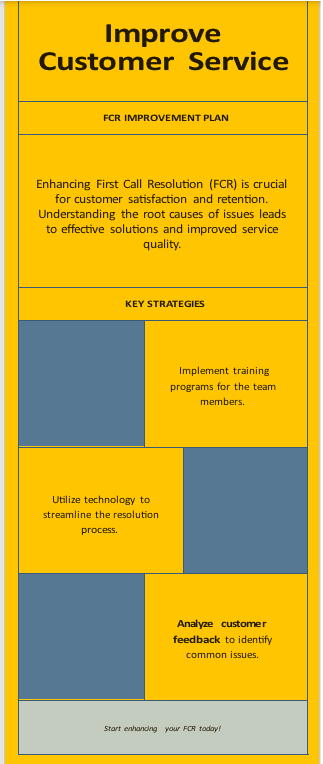










































.jpg)
.jpg)
.jpg)
.jpg)
.jpg)
.jpg)
.jpg)